 Jules Pretty
Shodo is the Way of traditional brush calligraphy. Sho means to write; Do means the way, the path, the arts, the Tao, life’s path. Shodo uses many of the aspects of “flow” found in tai chi.
There are three styles to Shodo.
- Kaisho is block style, also called regular script. It dates to the 4th to 5th centuries CE.
- Gyosho is a semi-cursive script, rounded technique, dating to about 200 CE.
- Sosho is cursive, and is sometimes called grass script, as it is more free-flowing. It too dates to about 200 CE.
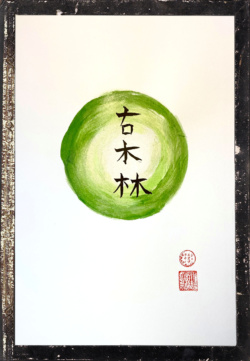
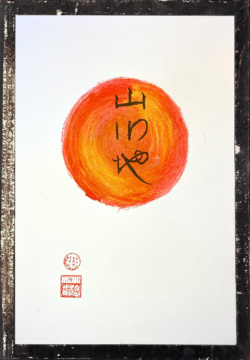
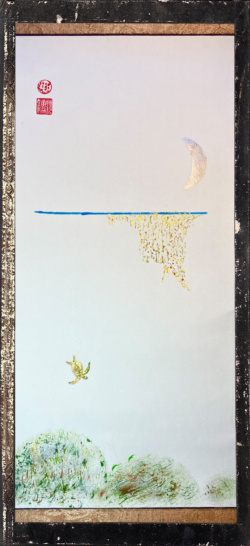
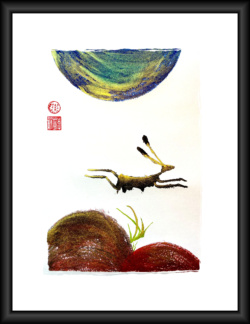
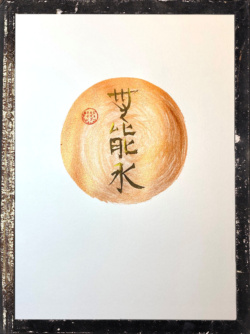
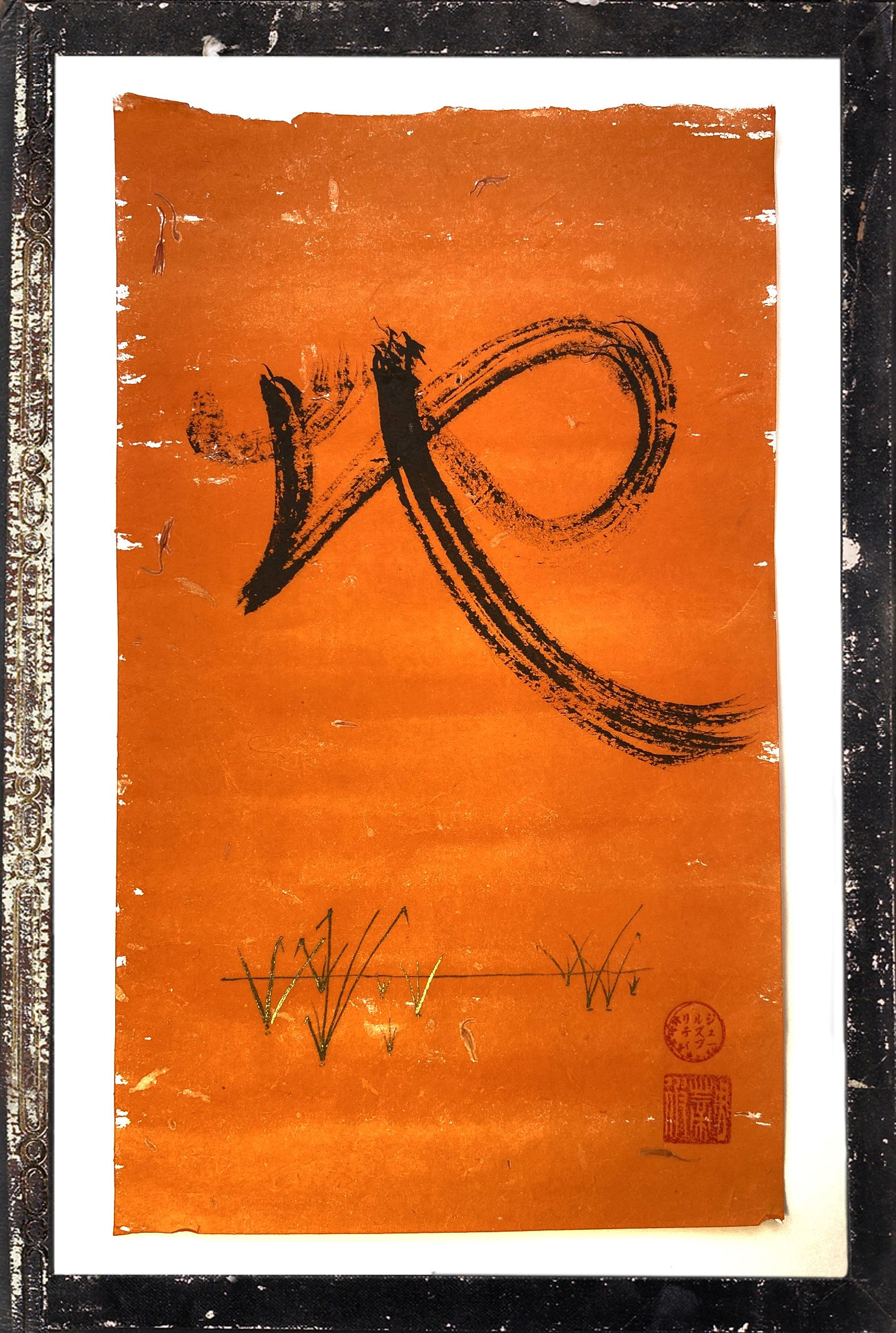
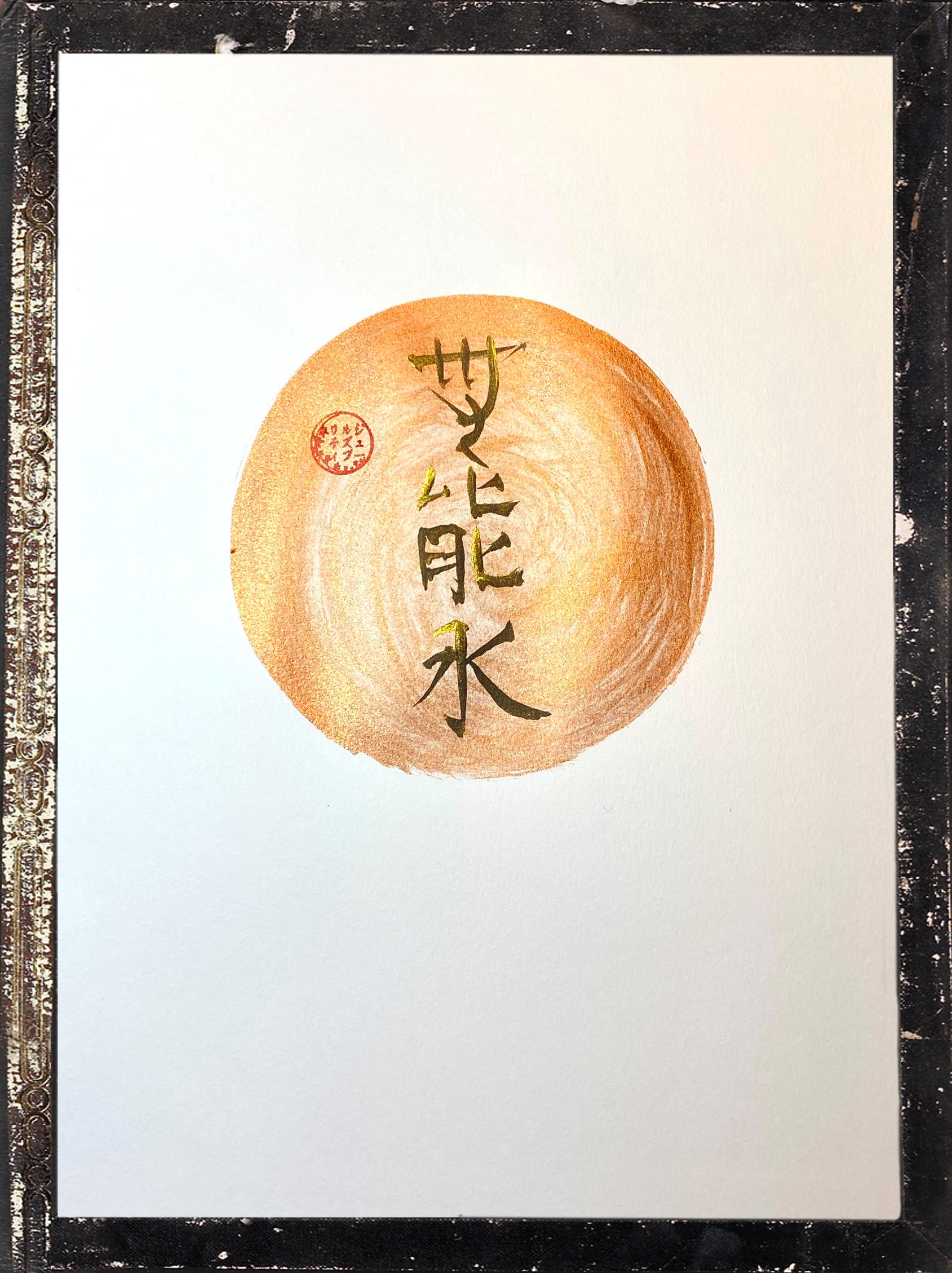
I use shodo to create and illustrate the koans that feature as central content to The Climate Chronicles series and my new book, Bamboo and Butterfly. Some are completed with a wet-brush, some part-dry. These are painted onto paper or silk scrolls. You generally read the script from top to bottom, and from right to left. Each of the examples in the gallery are titled in both Japanese and the English translation.
All are stamped in red with my seals. These came from Hangzhou in China in 1981, and from Japan and China in the 2020s. All seals are unique to the author/painter.
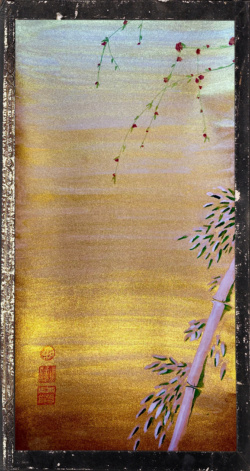
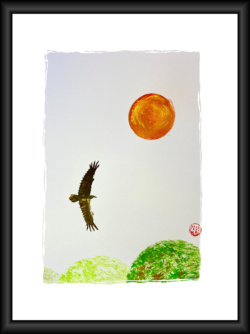
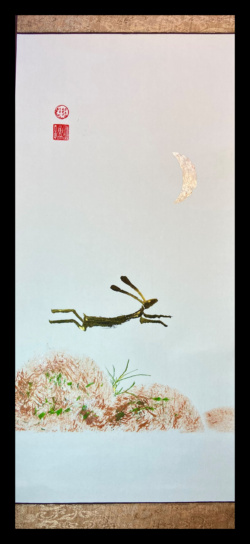
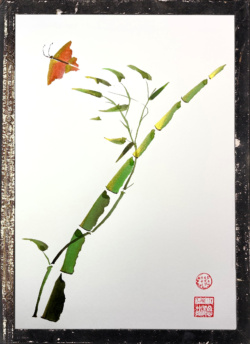
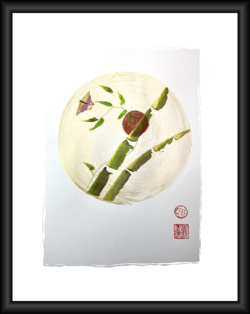
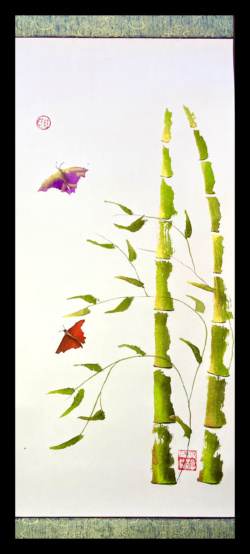
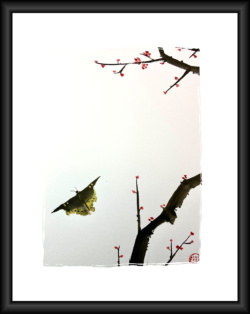
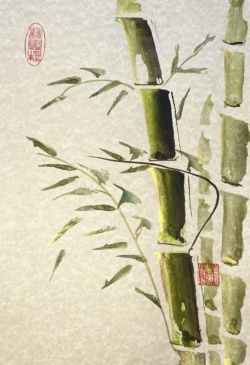
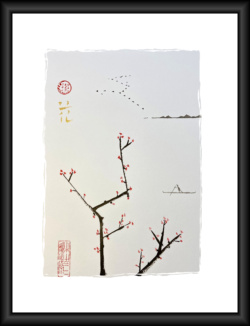
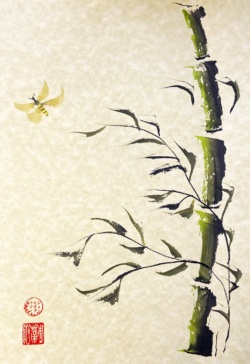
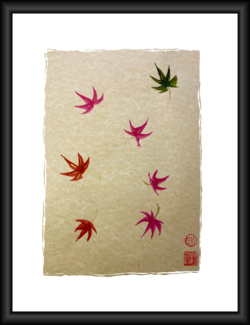
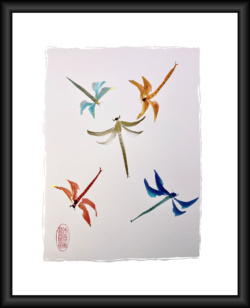
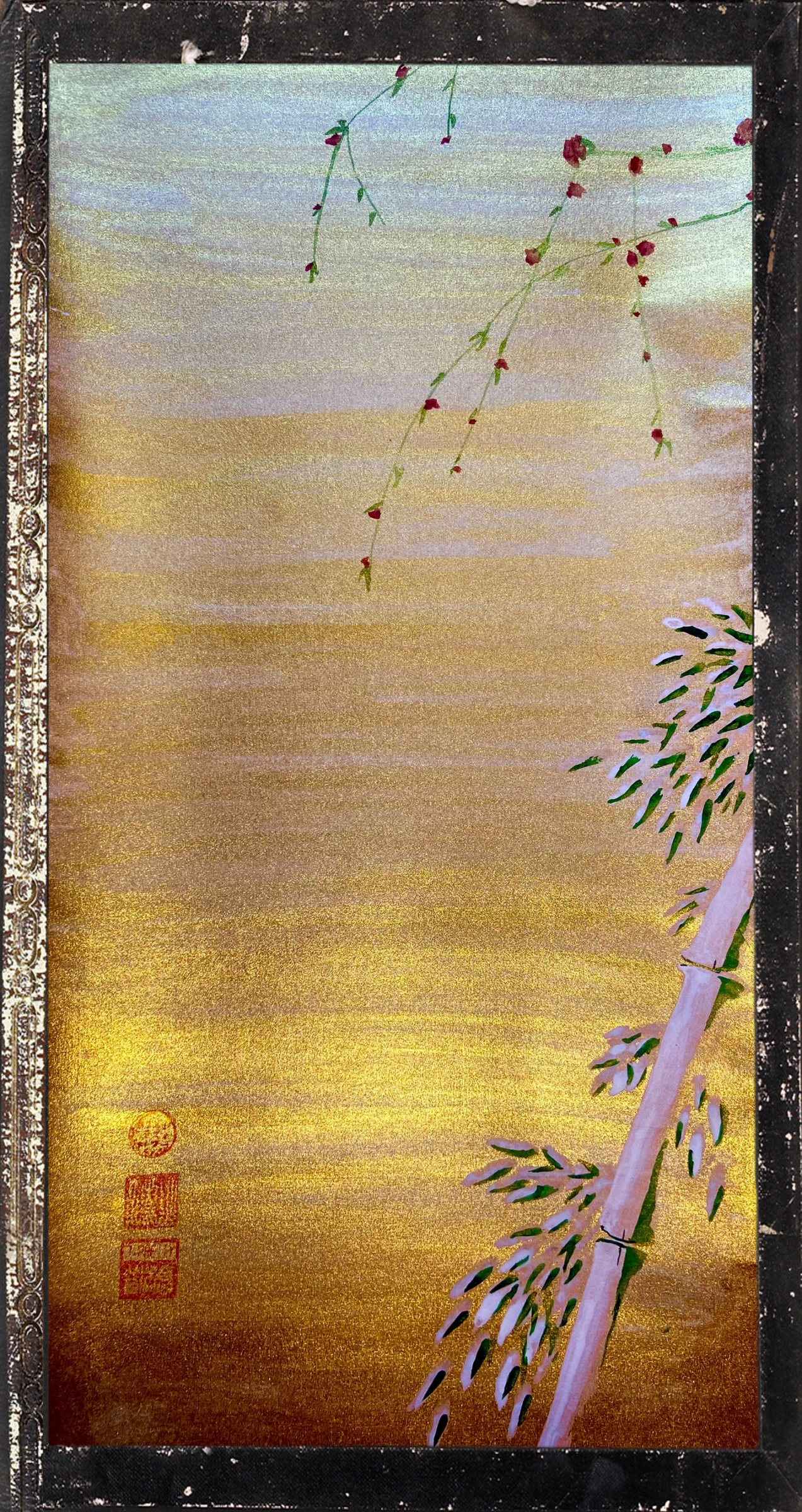
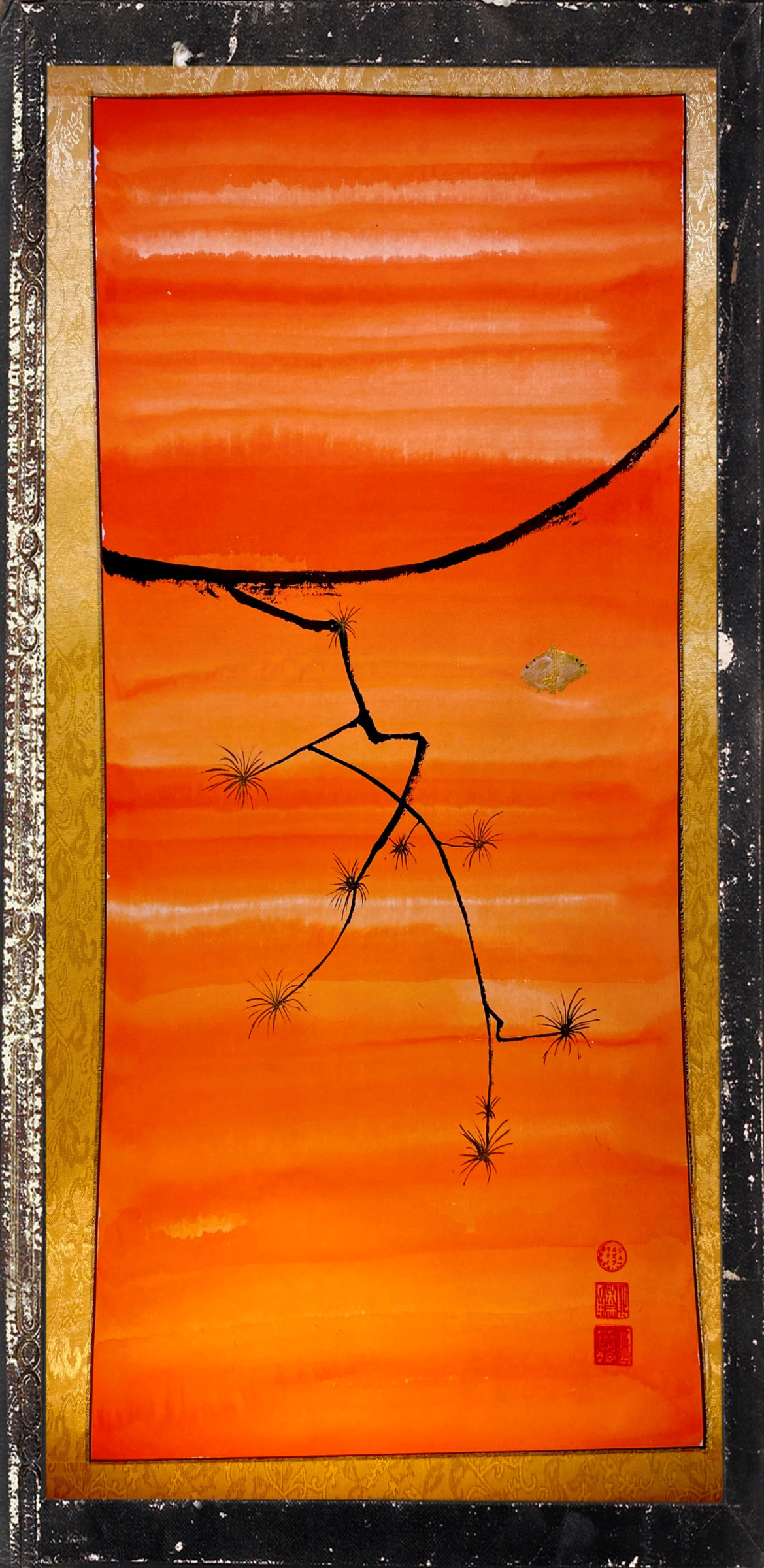
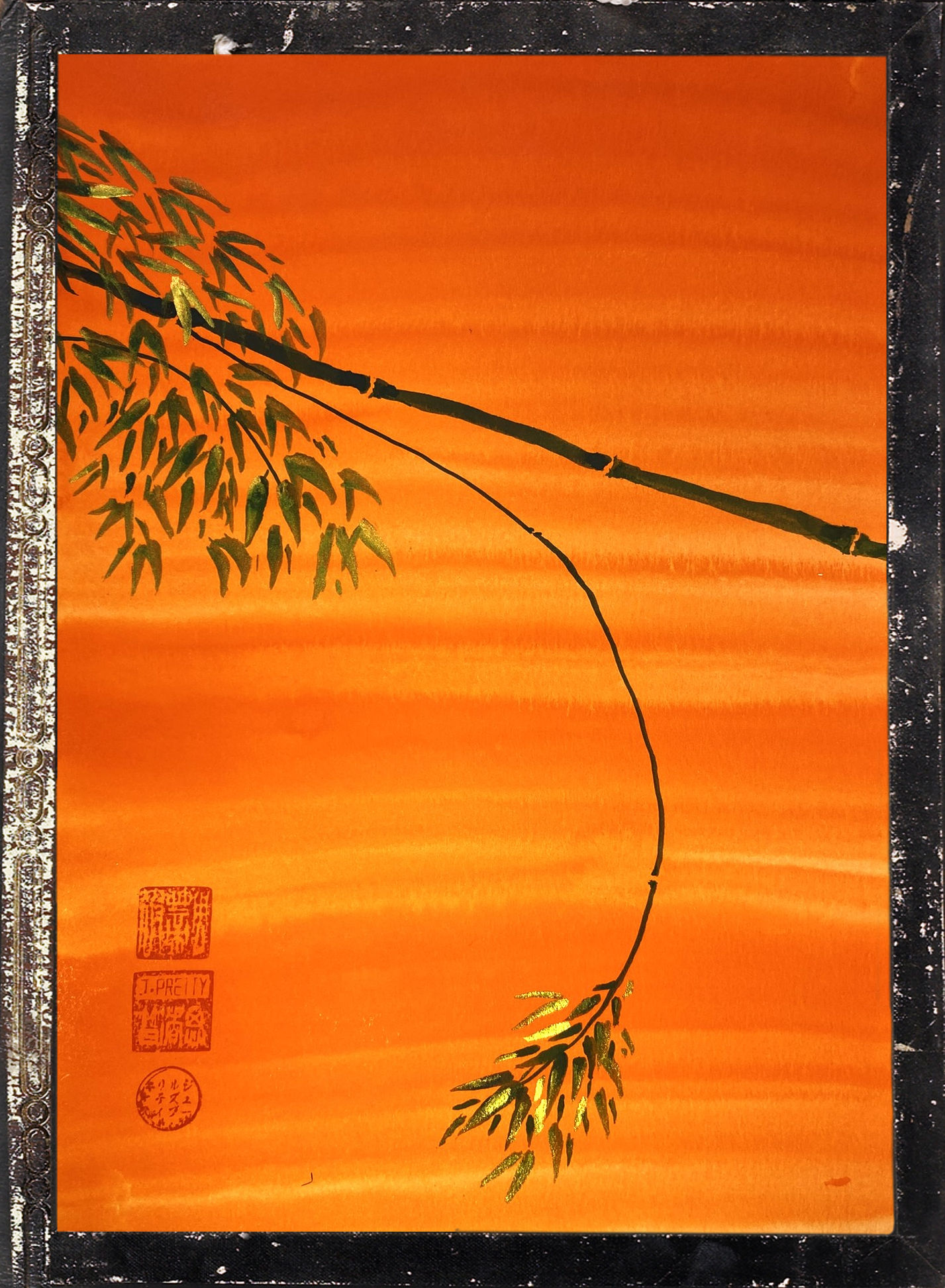
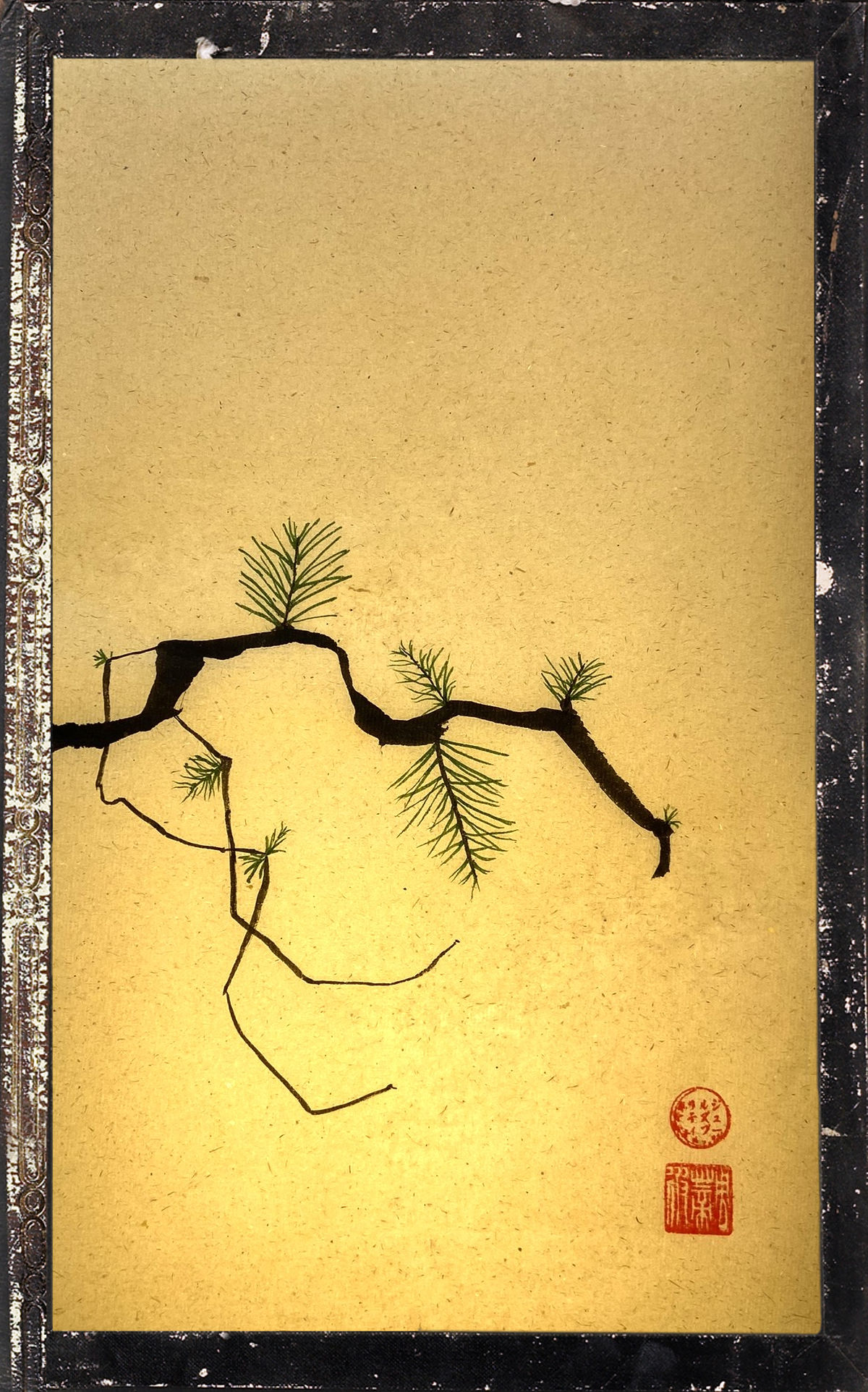
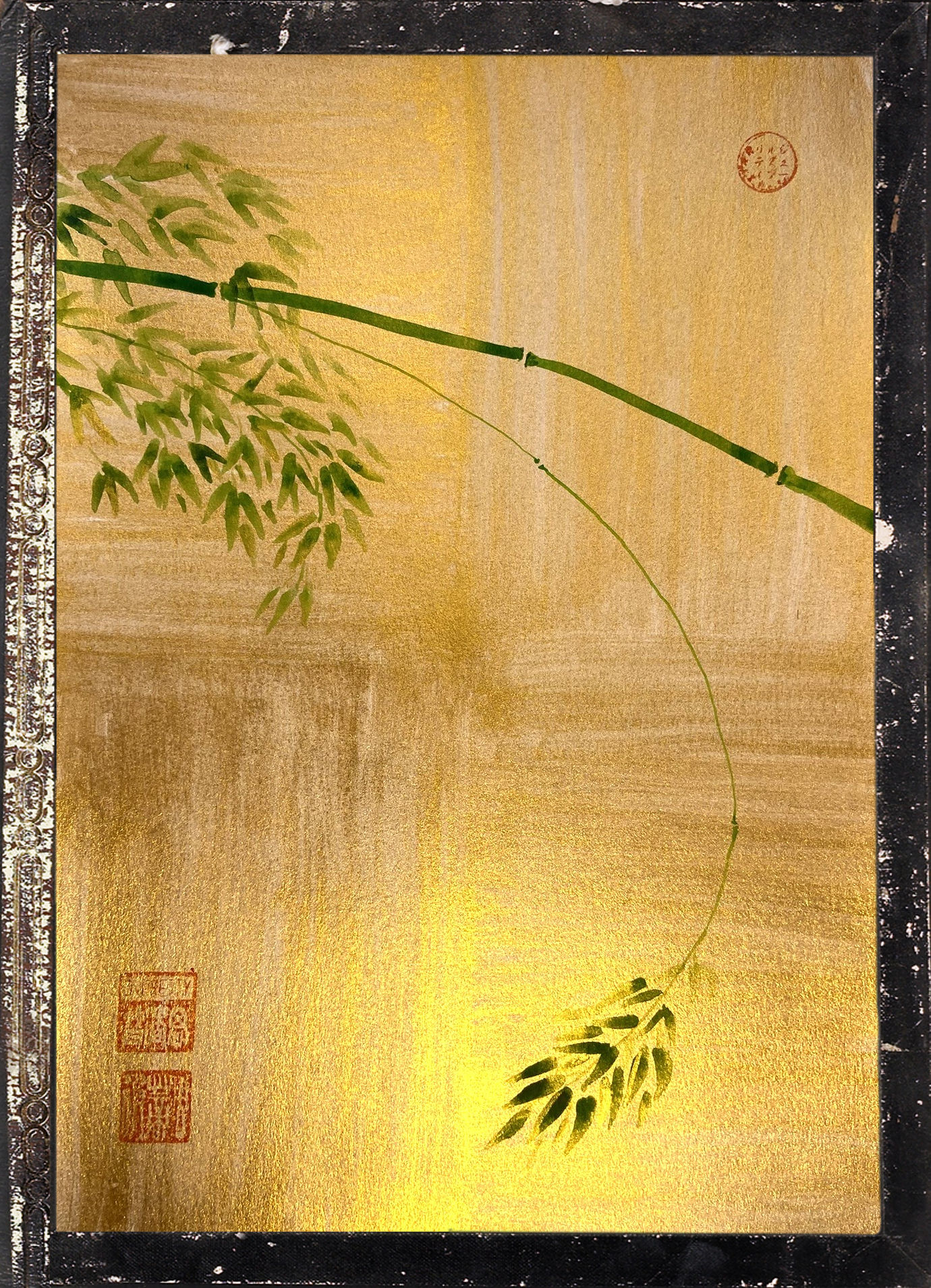
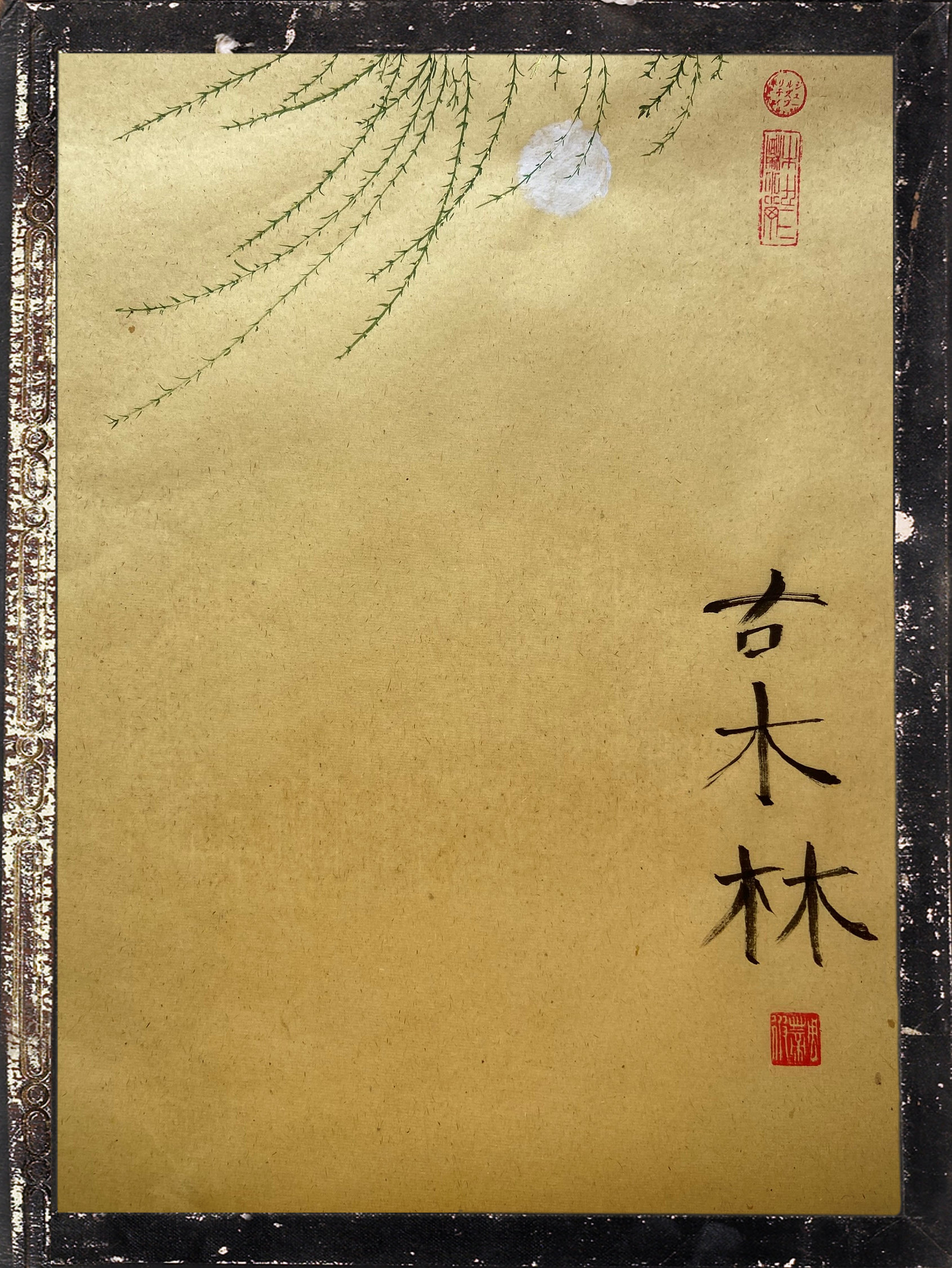
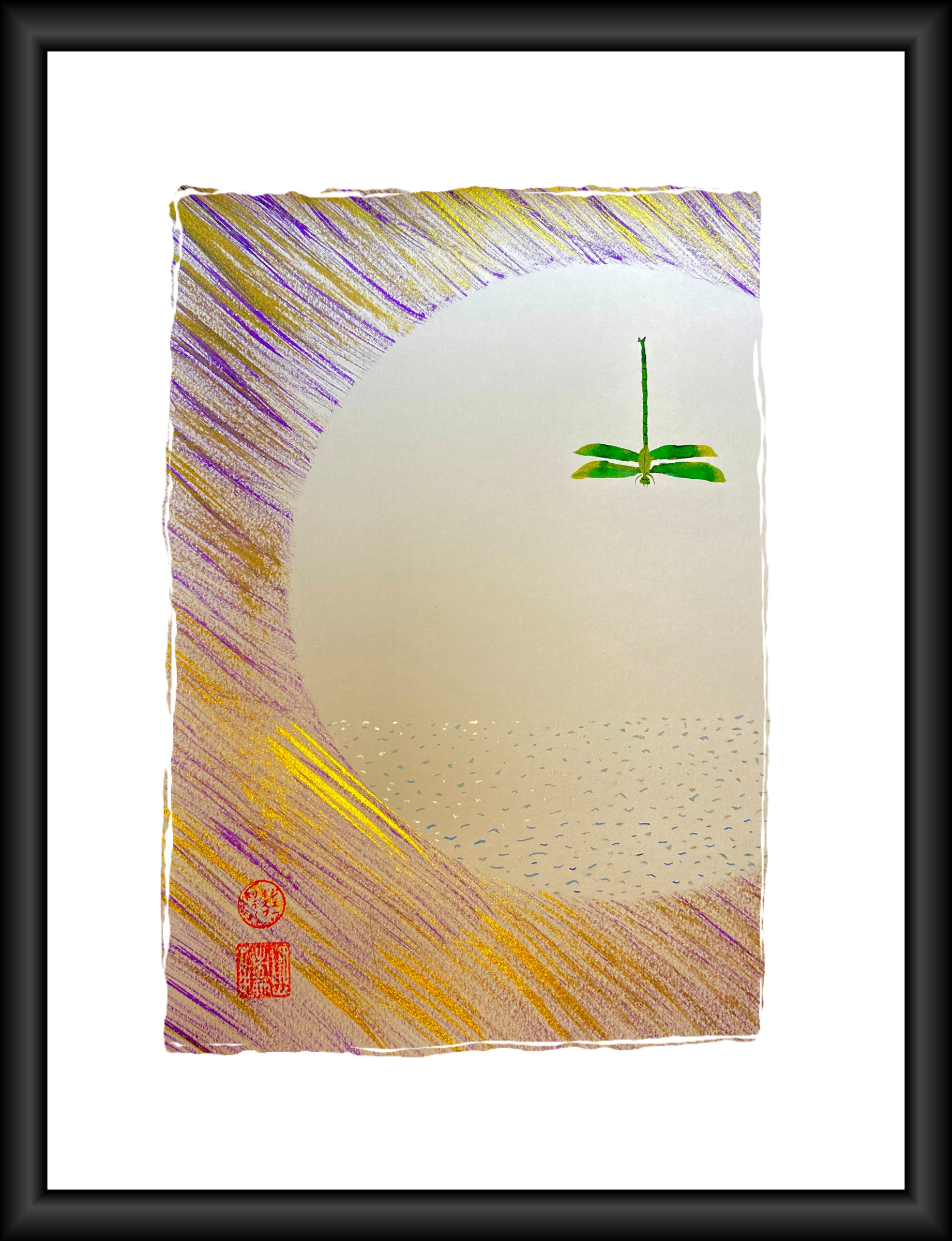
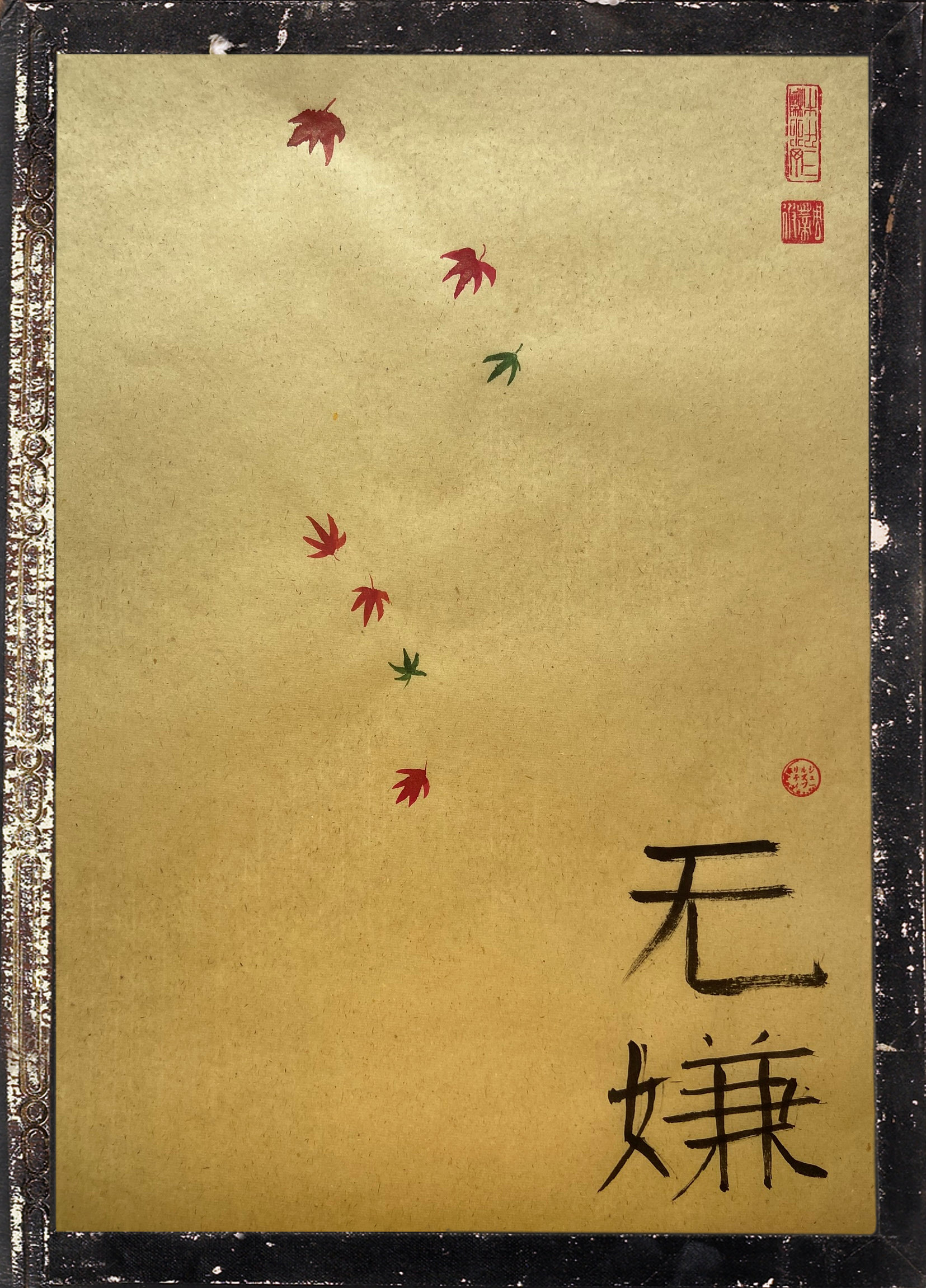
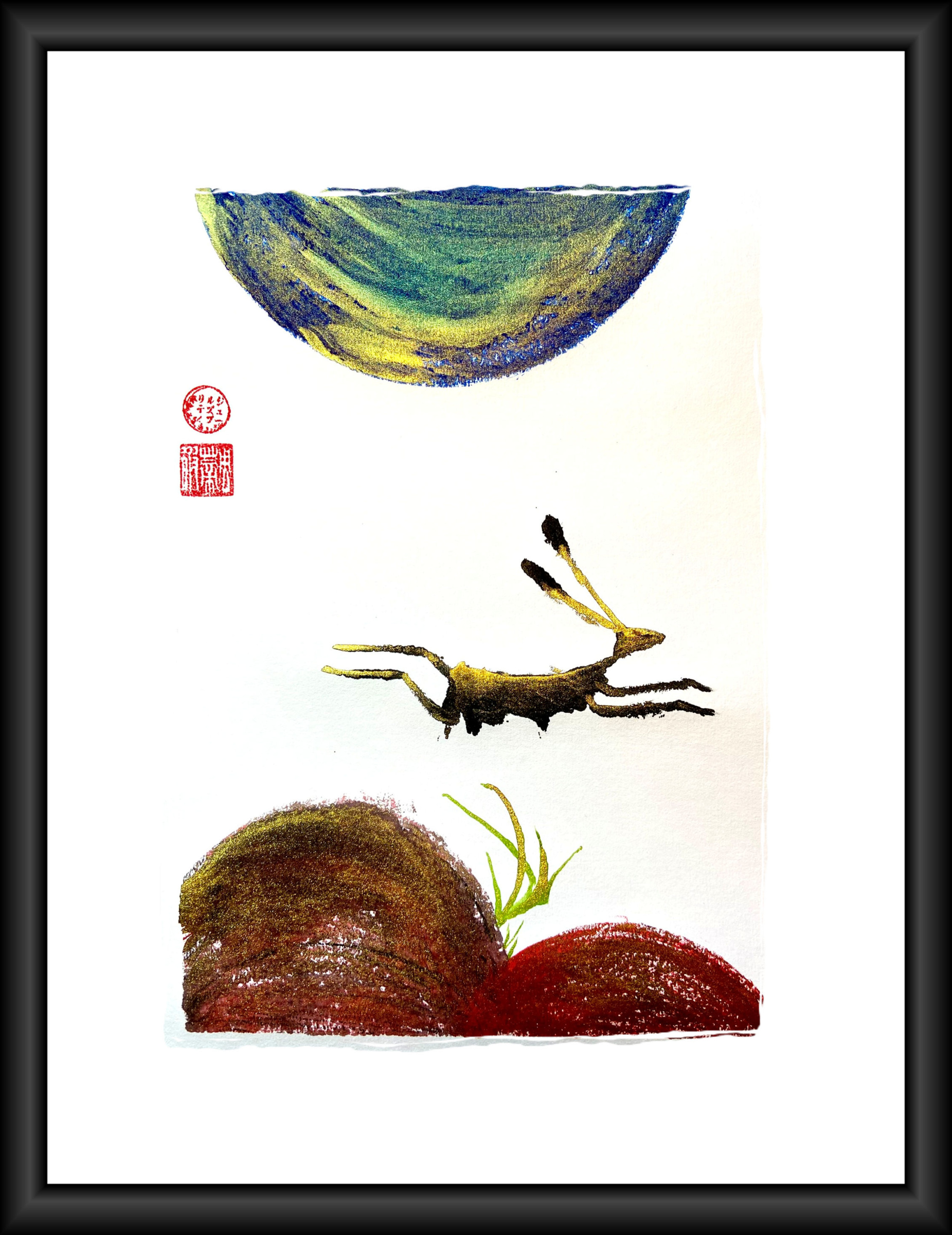
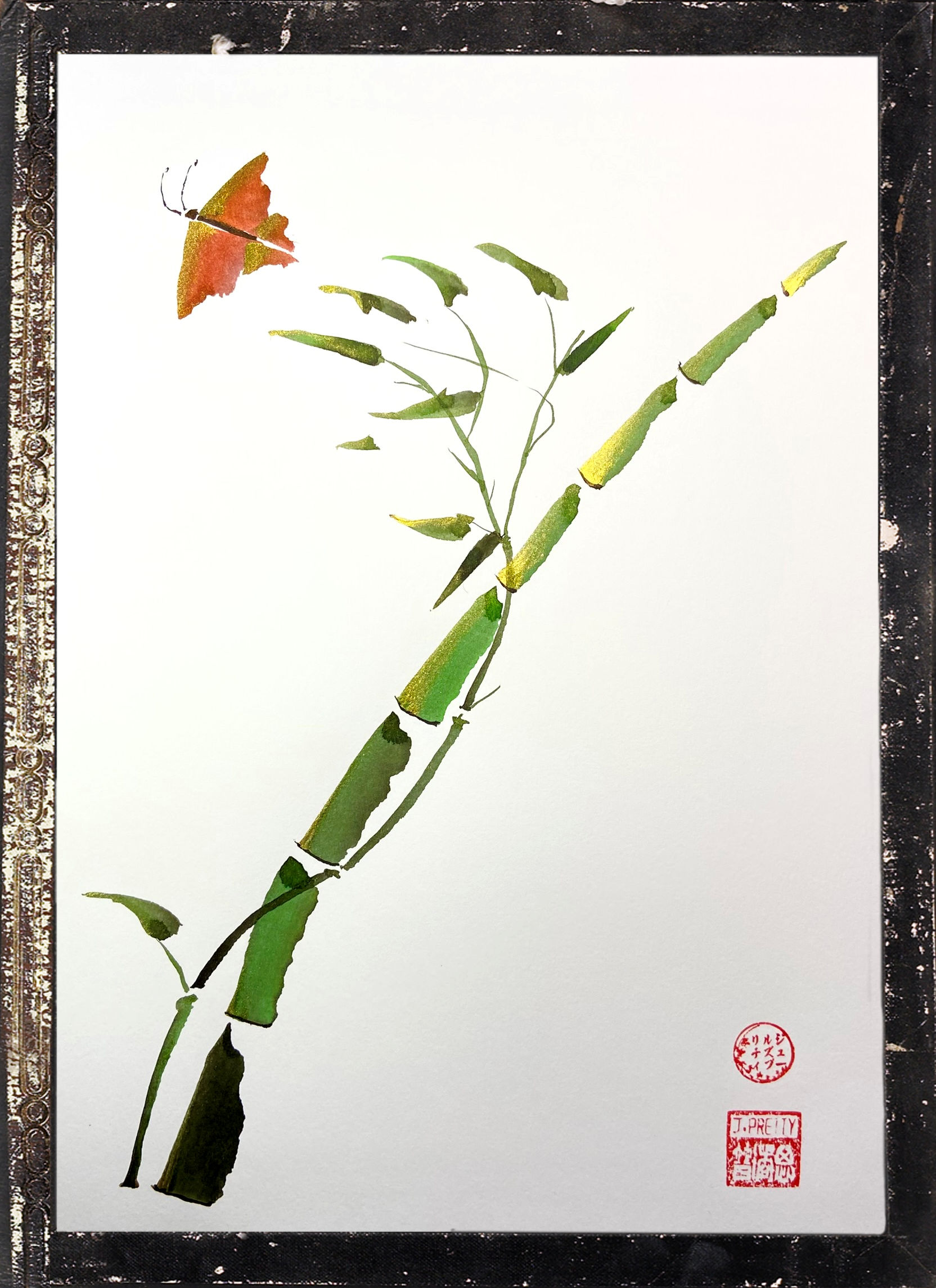
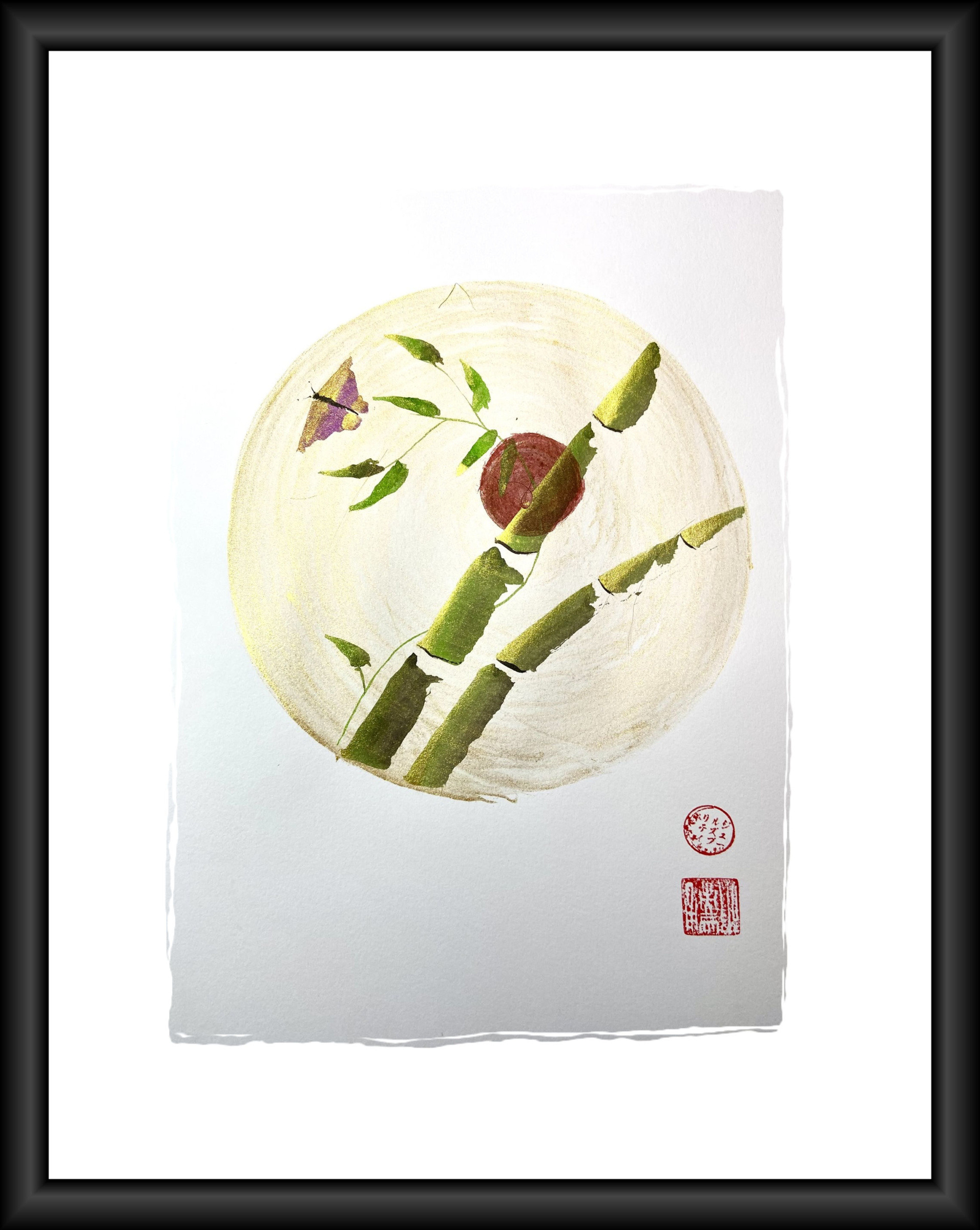
The sumi-e are ink paintings. Like calligraphy, space between and around things is as important as the thing itself. There are examples here of bamboo (strong and flexible); butterflies (flapping wings to cause whole systems to change); plum blossom (first signs of spring after cold winter); dragonflies; maples leaves falling; and combinations of plants and insects.
A sumi-e ink painting features as the cover of my 2027 book, Bamboo and Buttefly.
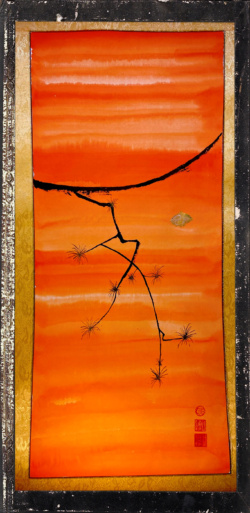
You will also see some oil pastel drawings, on a variety of gold, red and coloured ground.


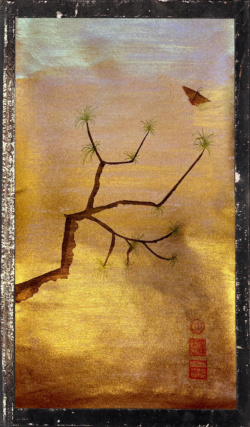
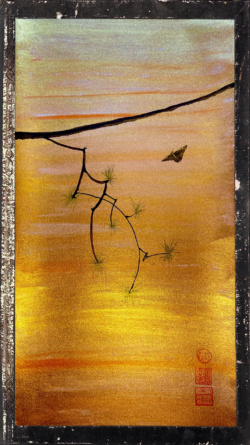
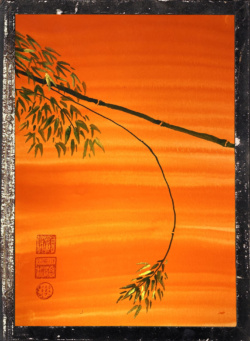
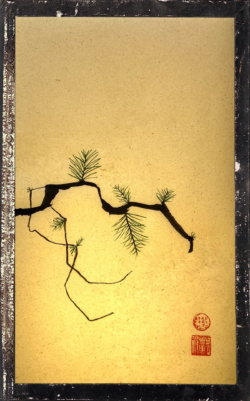
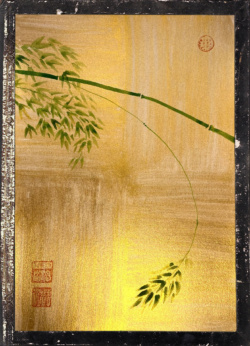
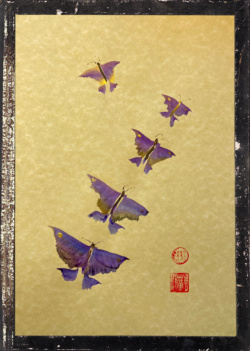


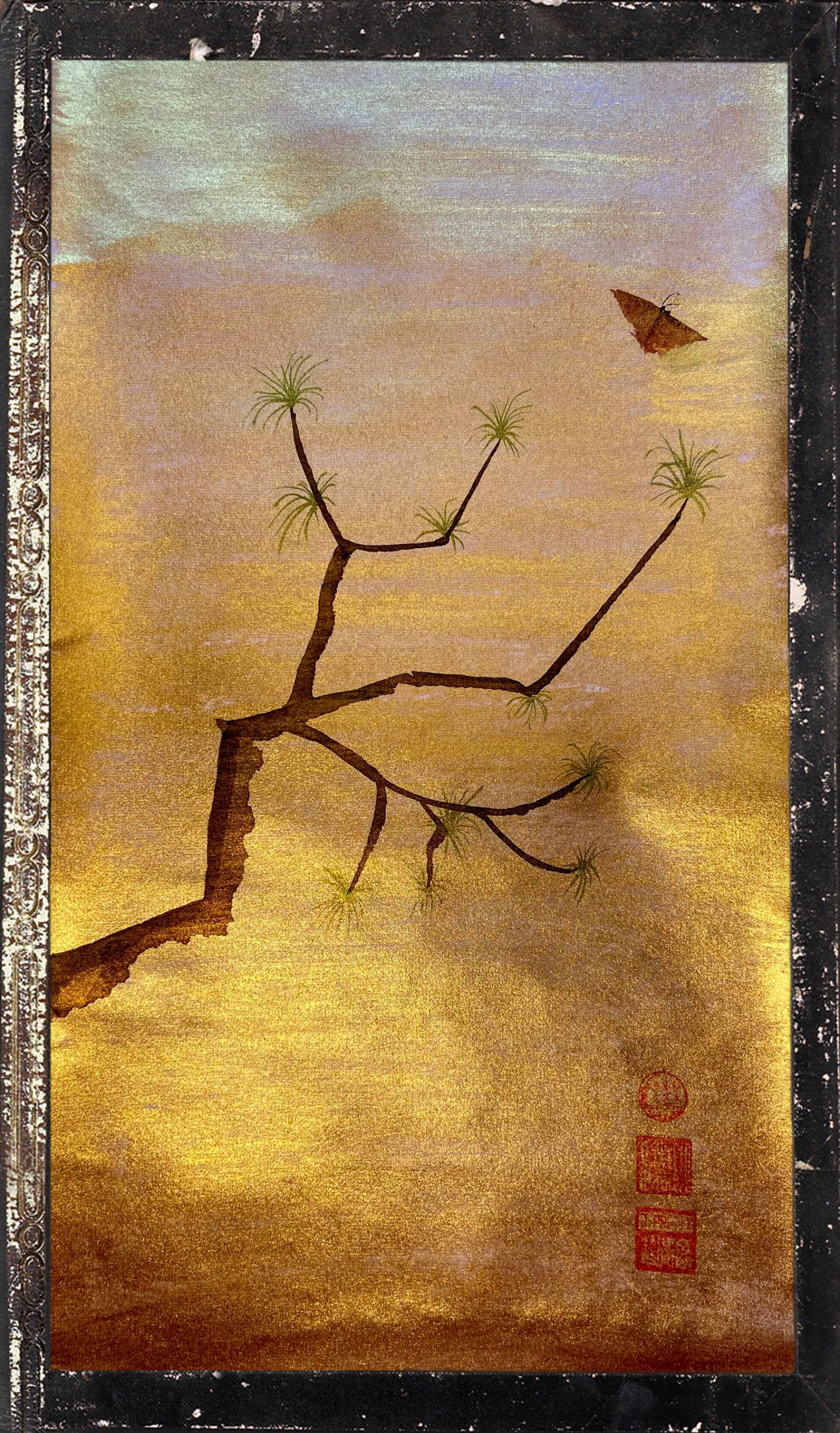
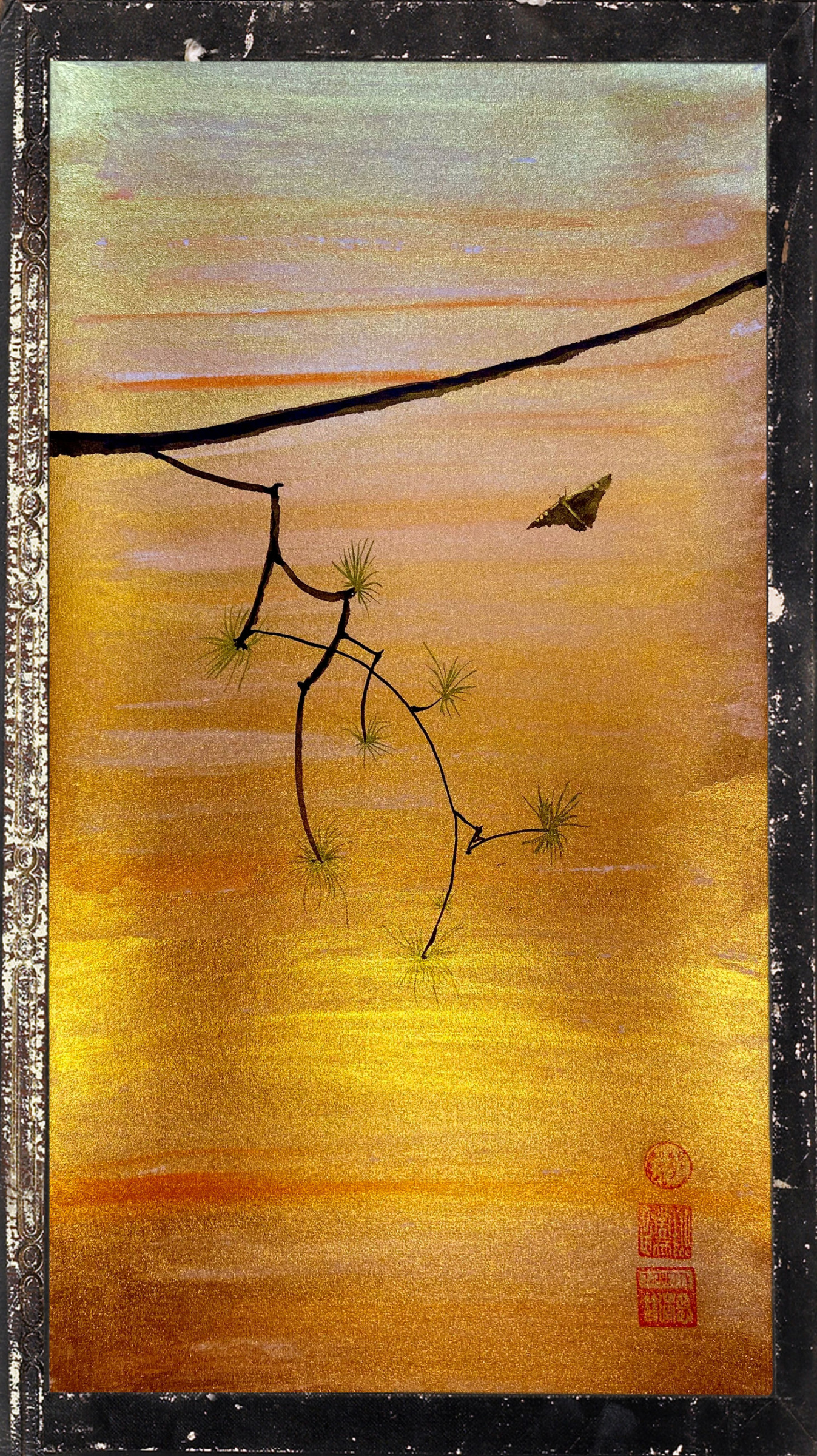

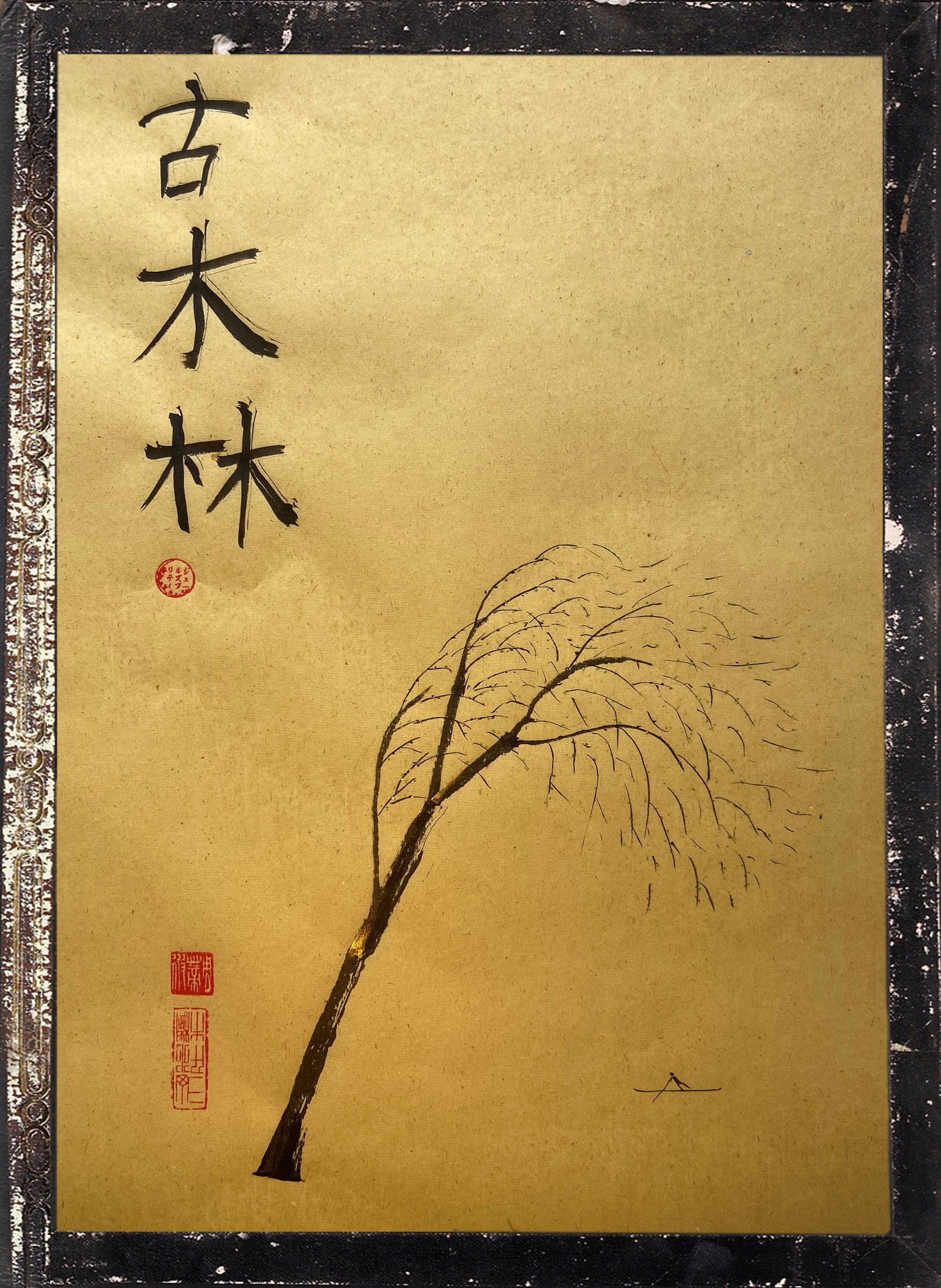
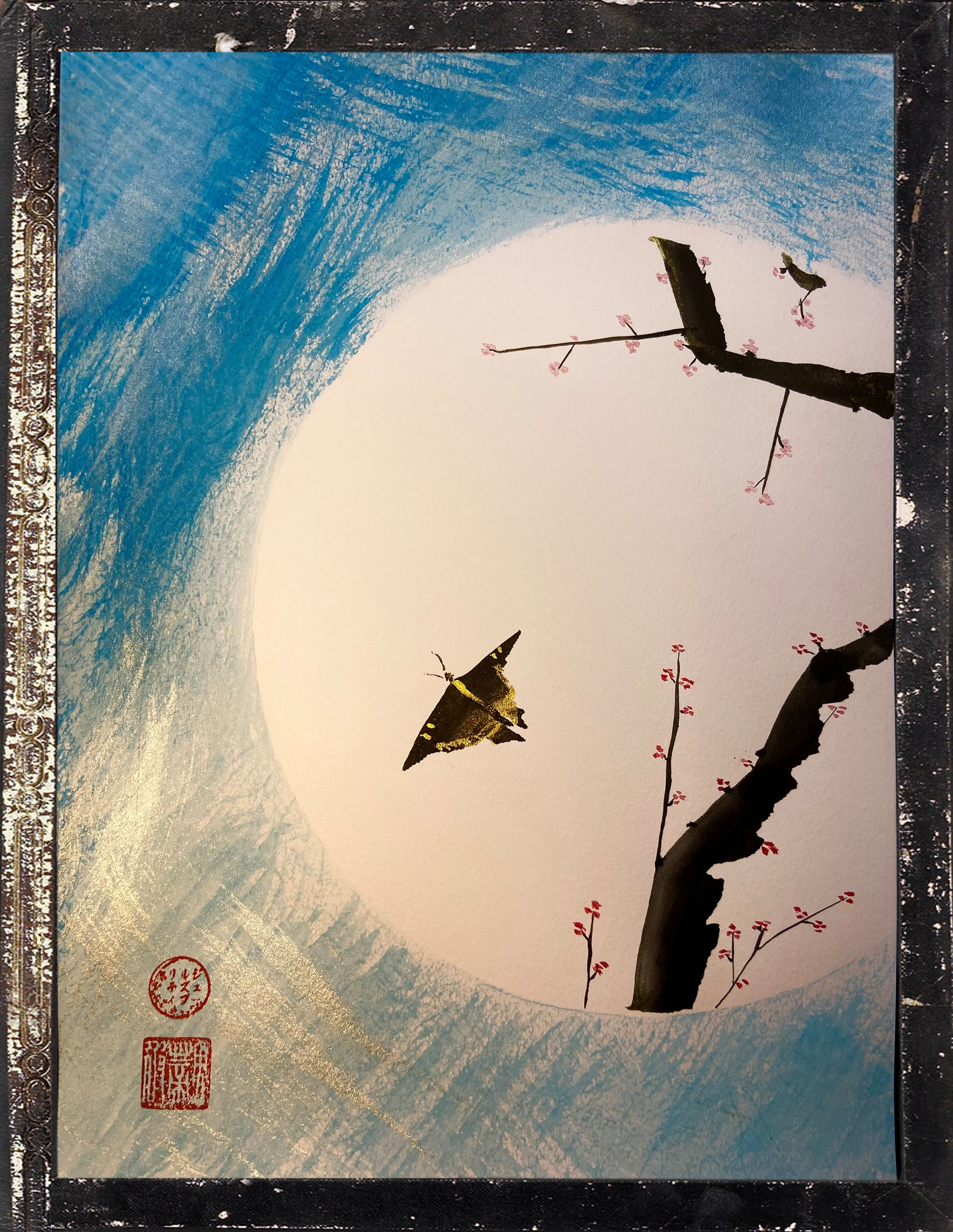
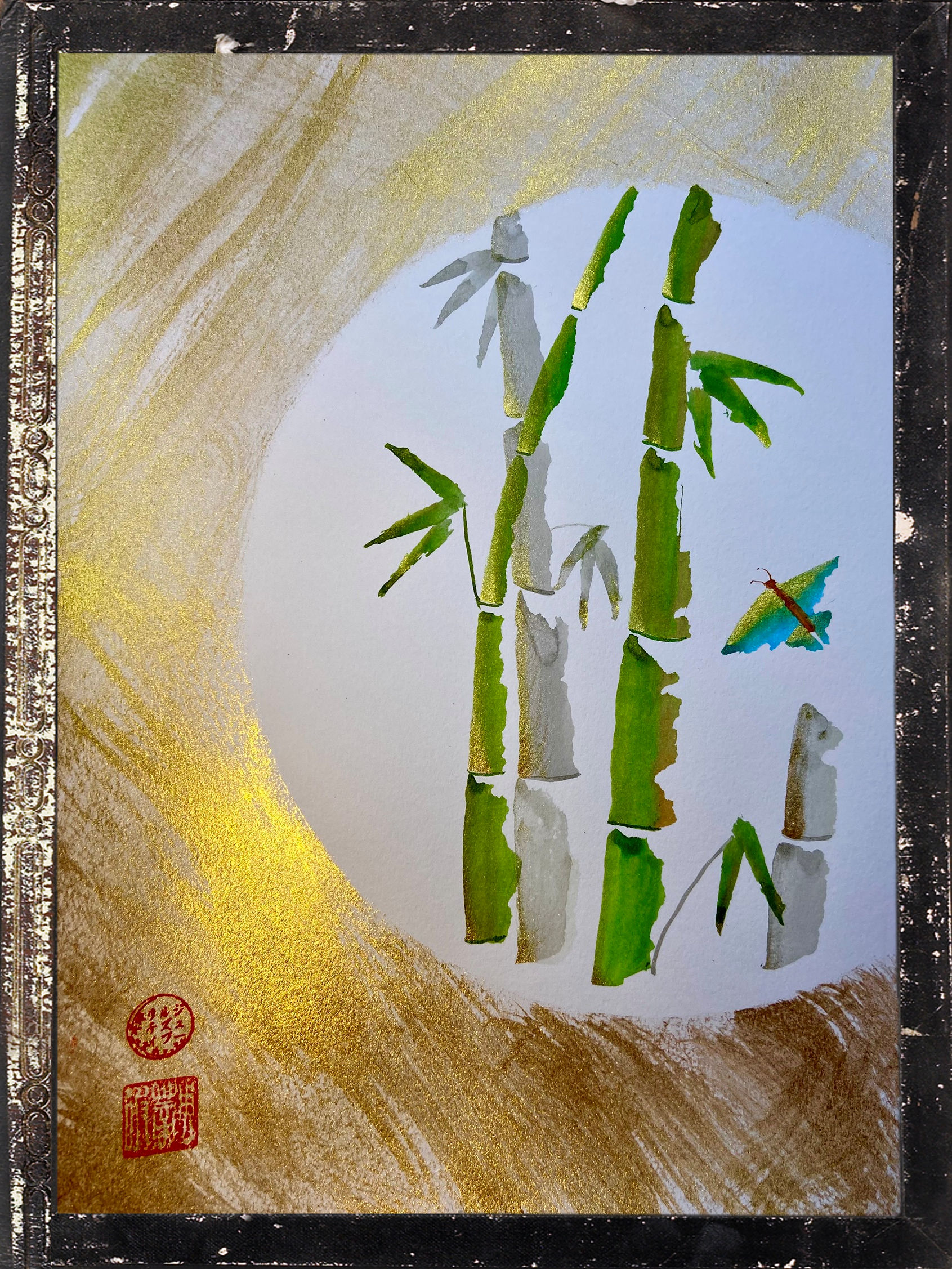
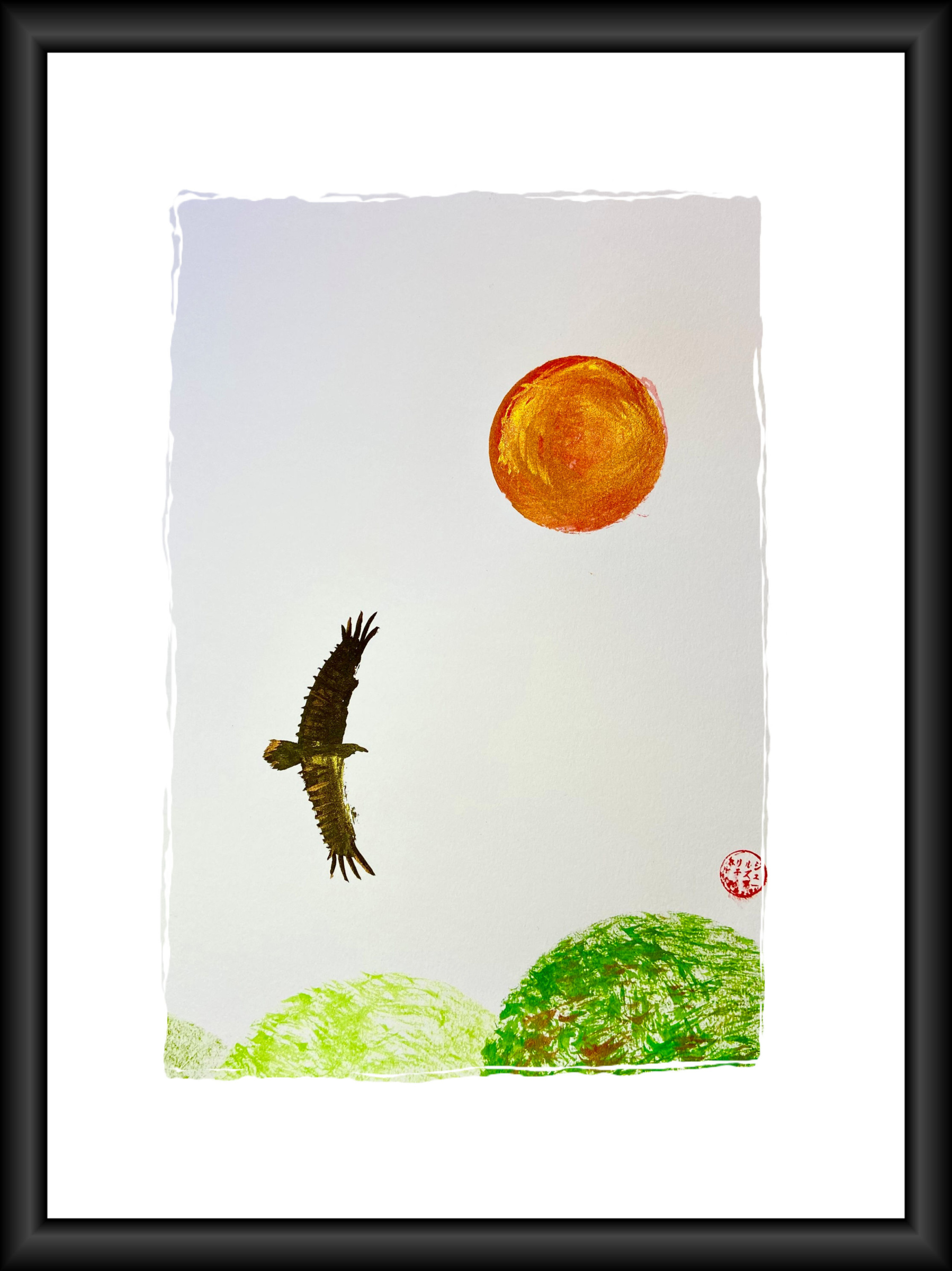
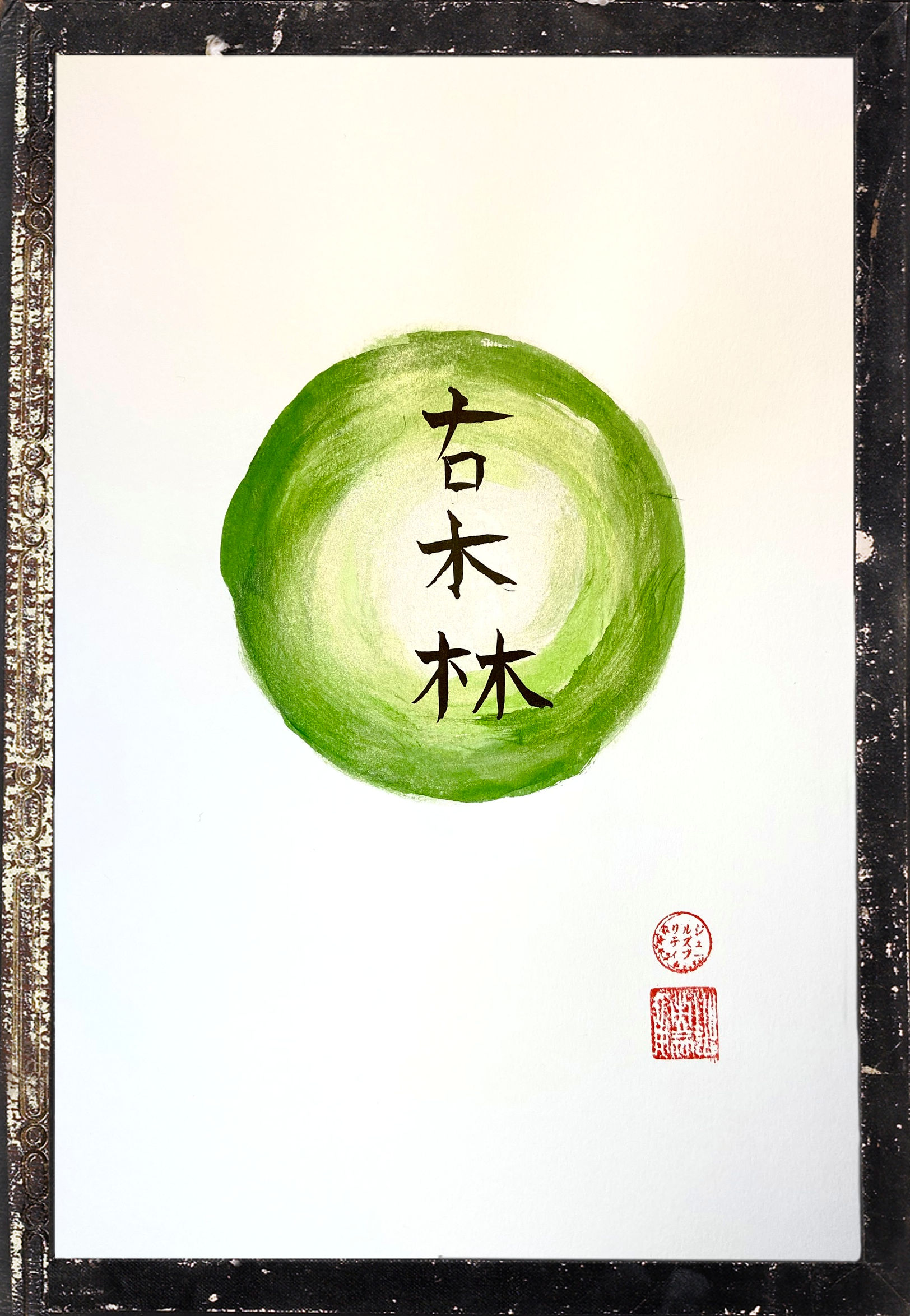
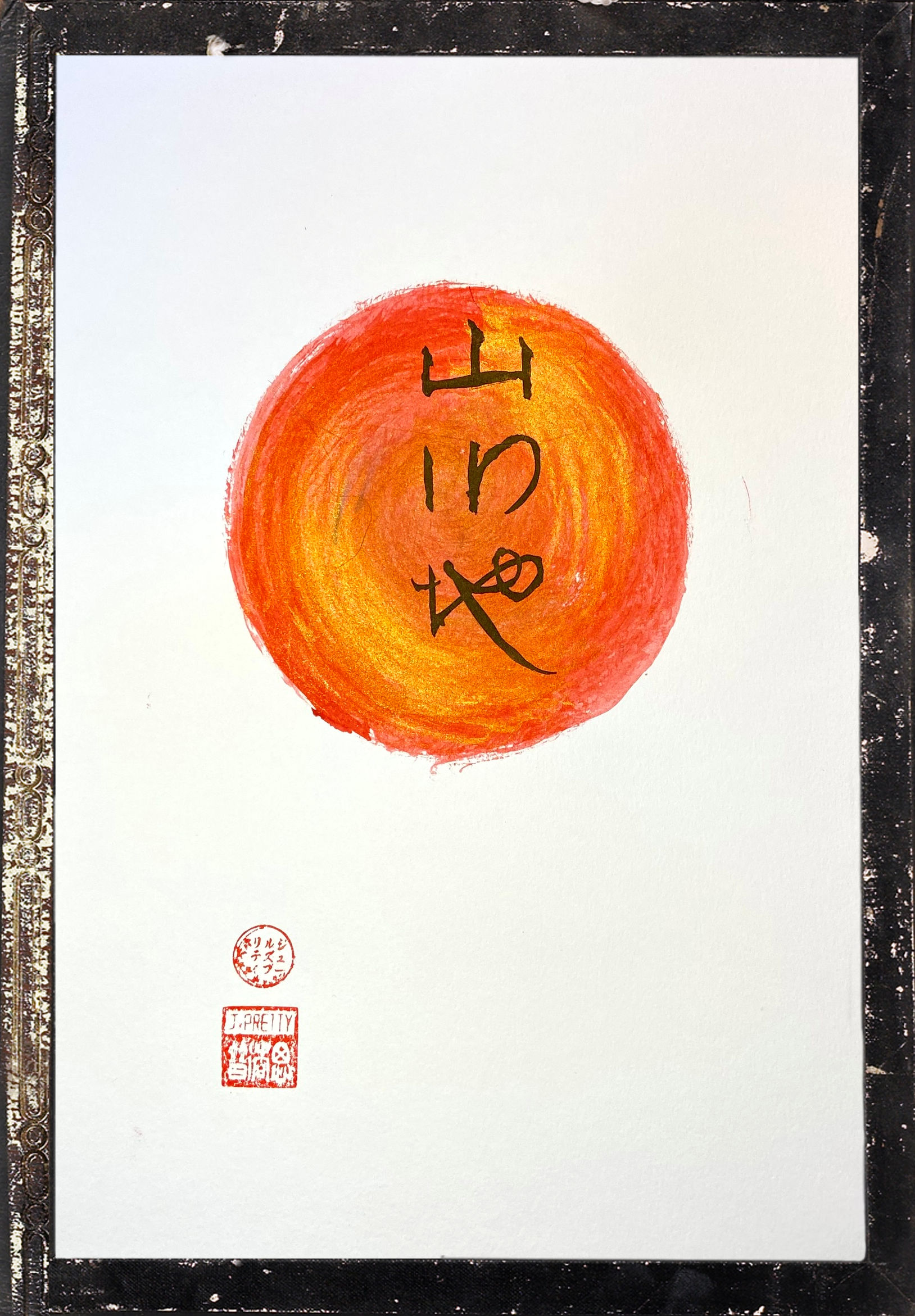
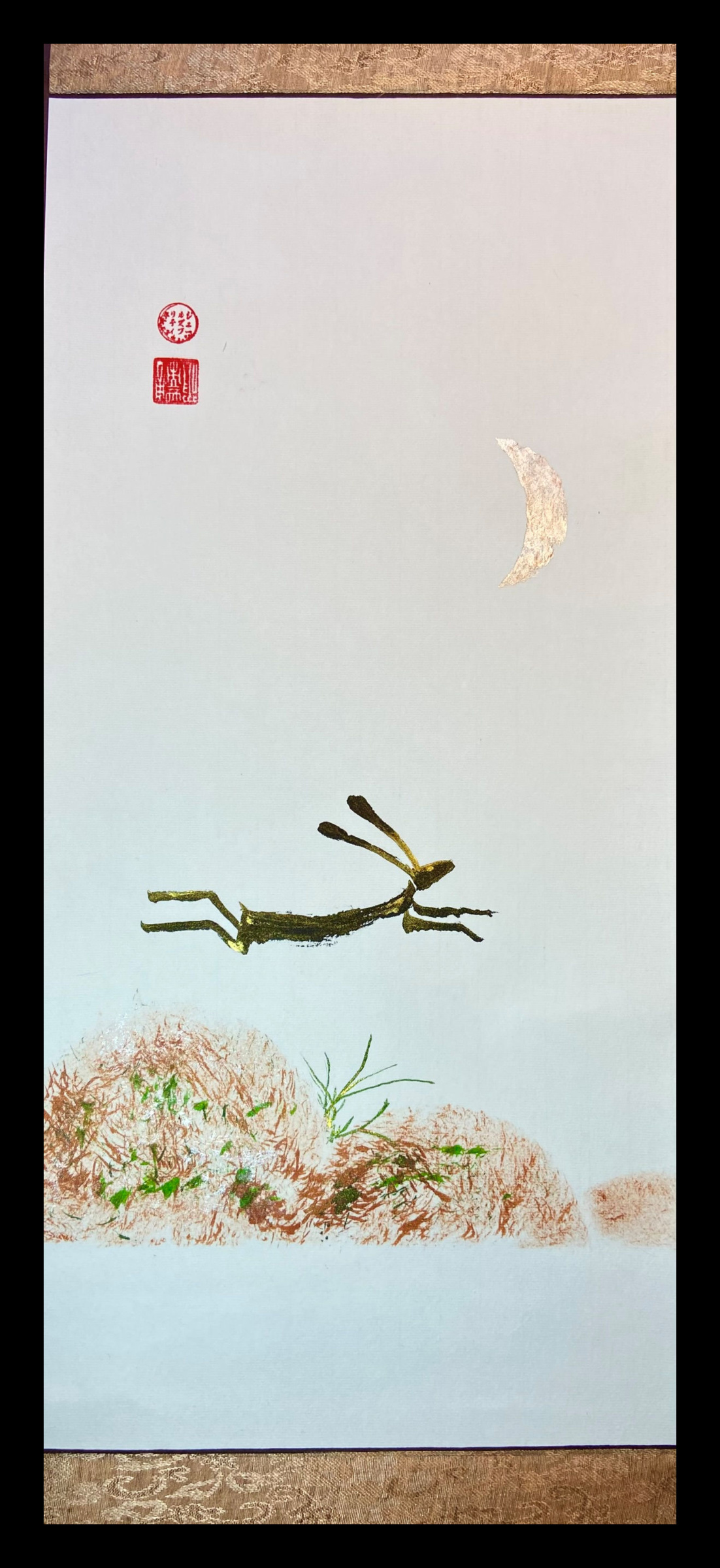
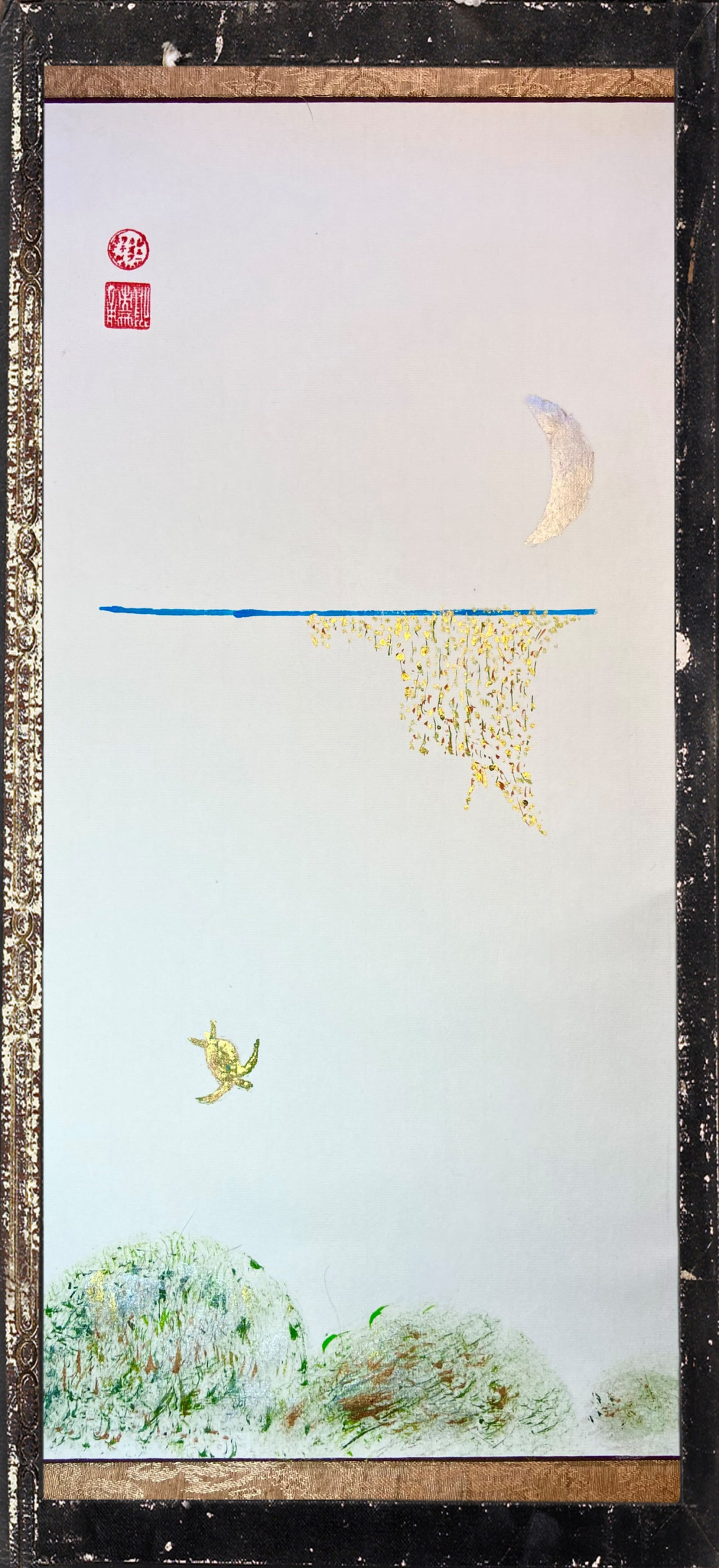
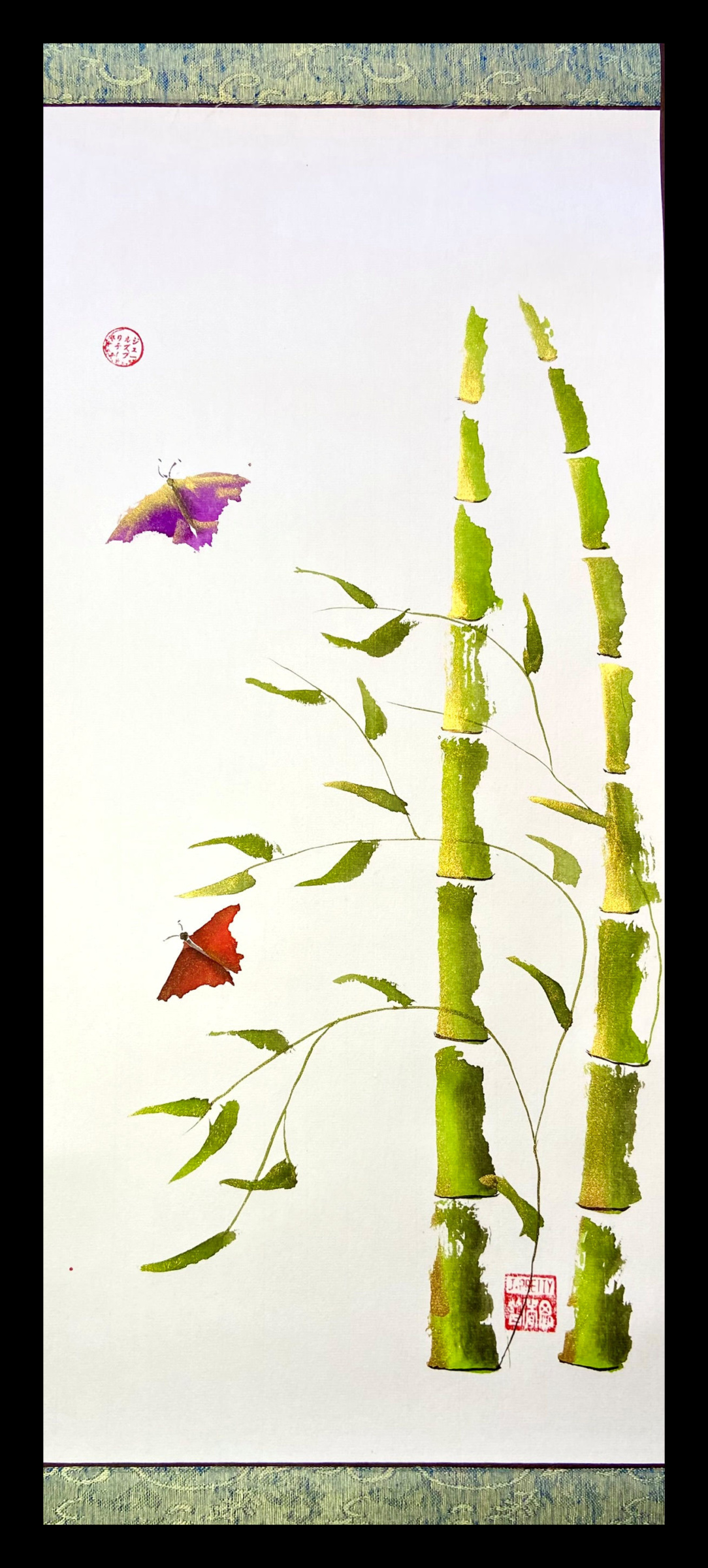
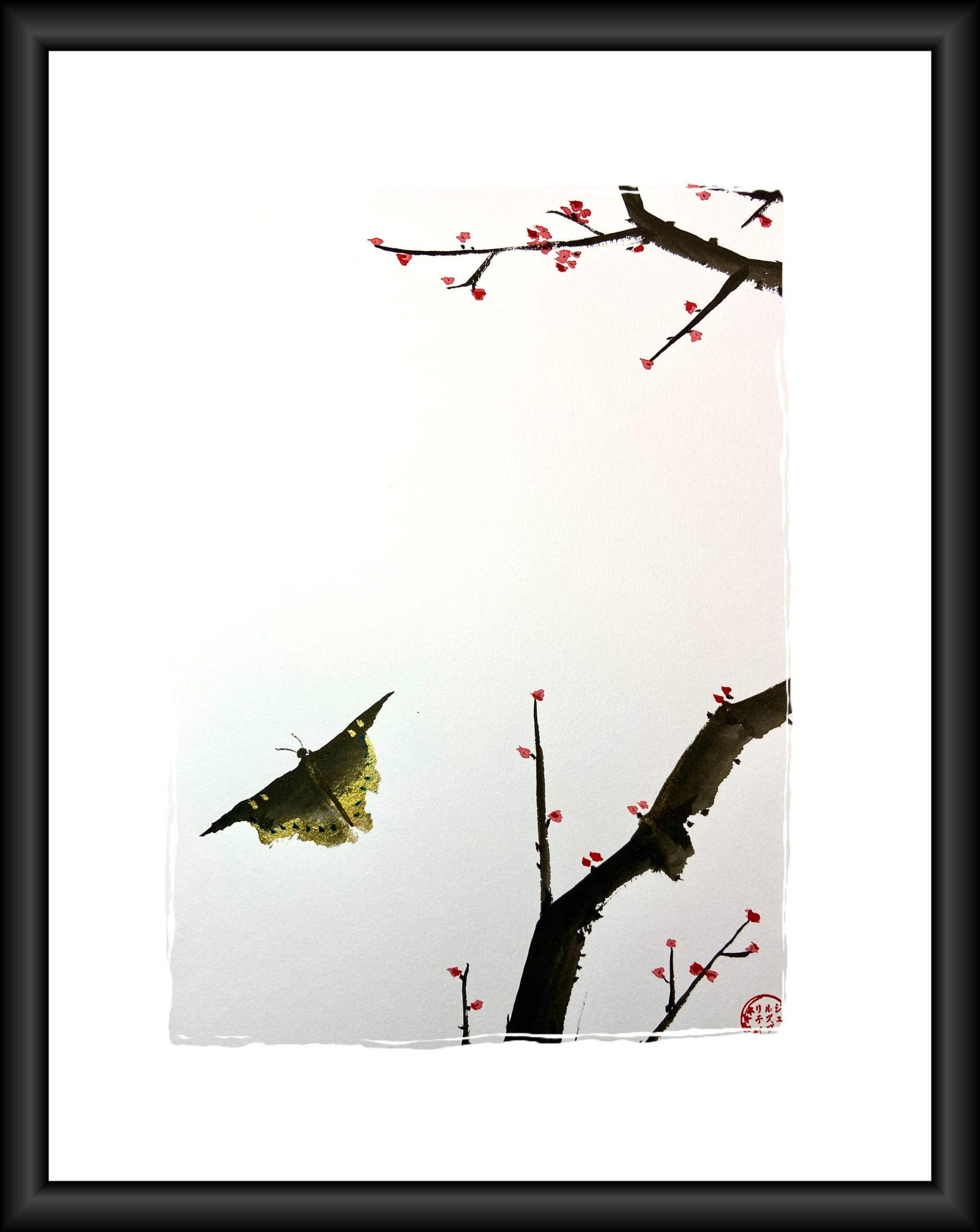
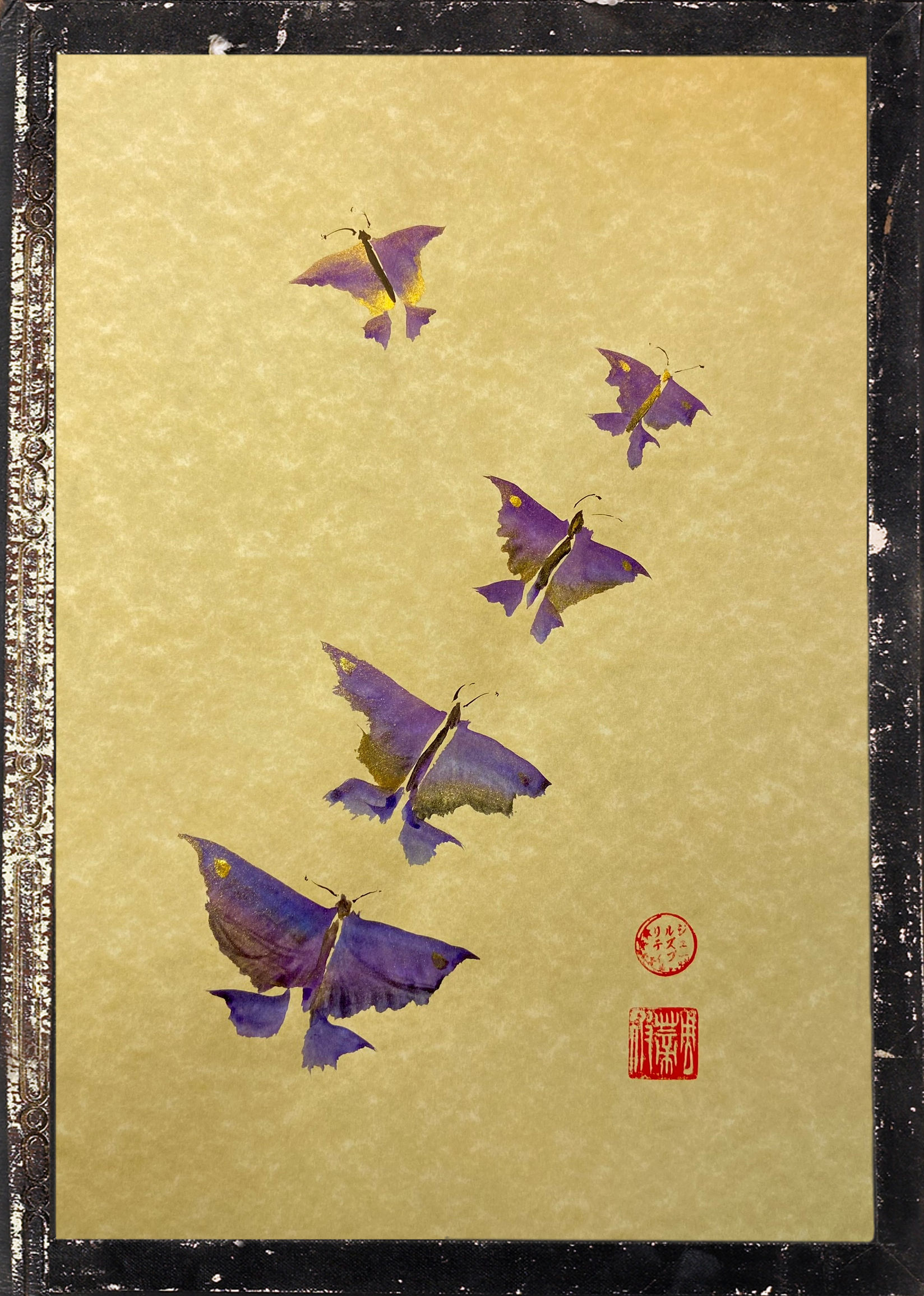
Butterflies (2024)
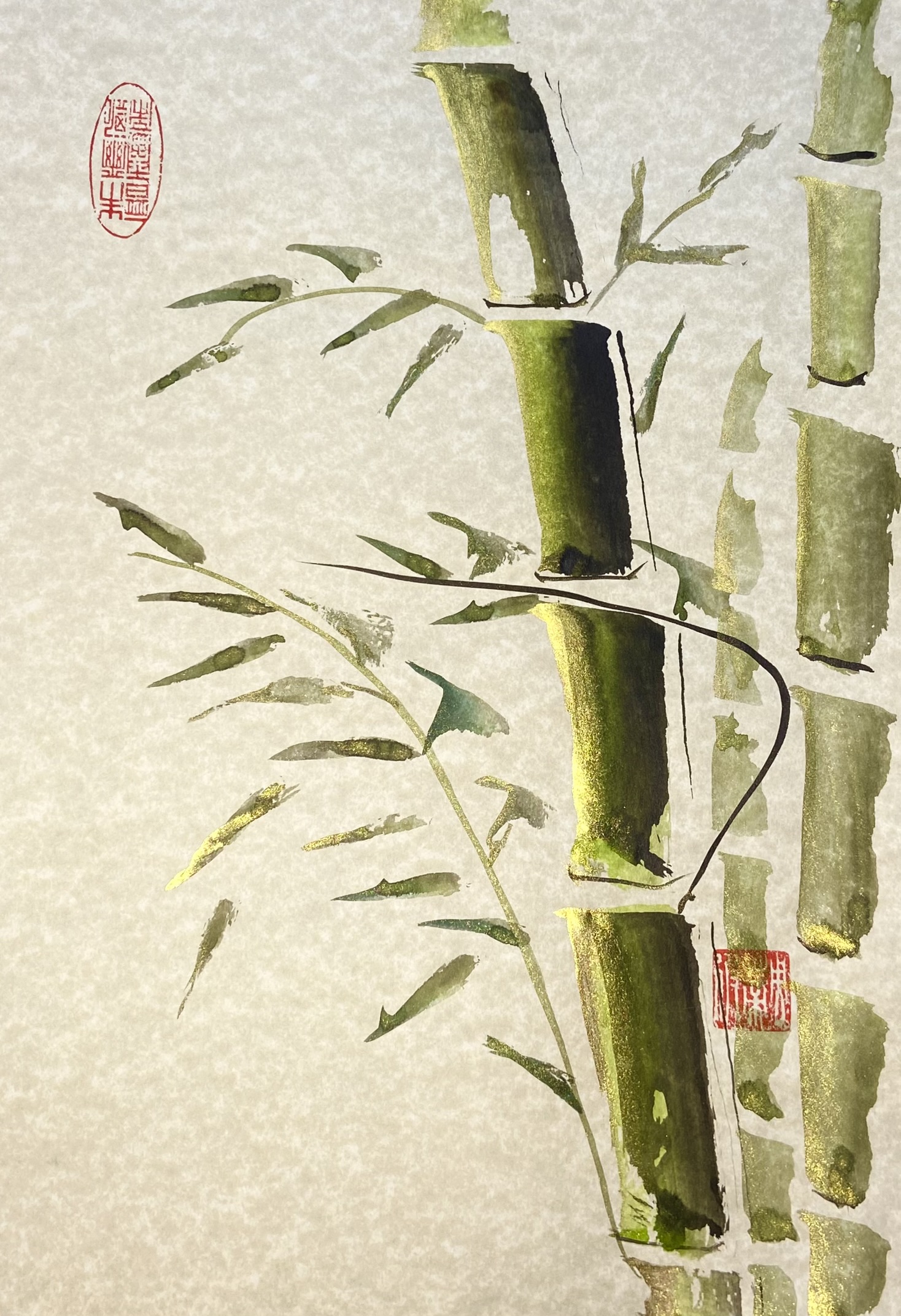
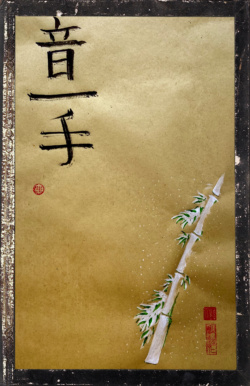
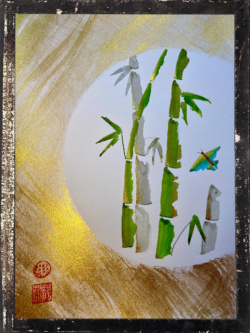
Green and gold bamboo (2024)
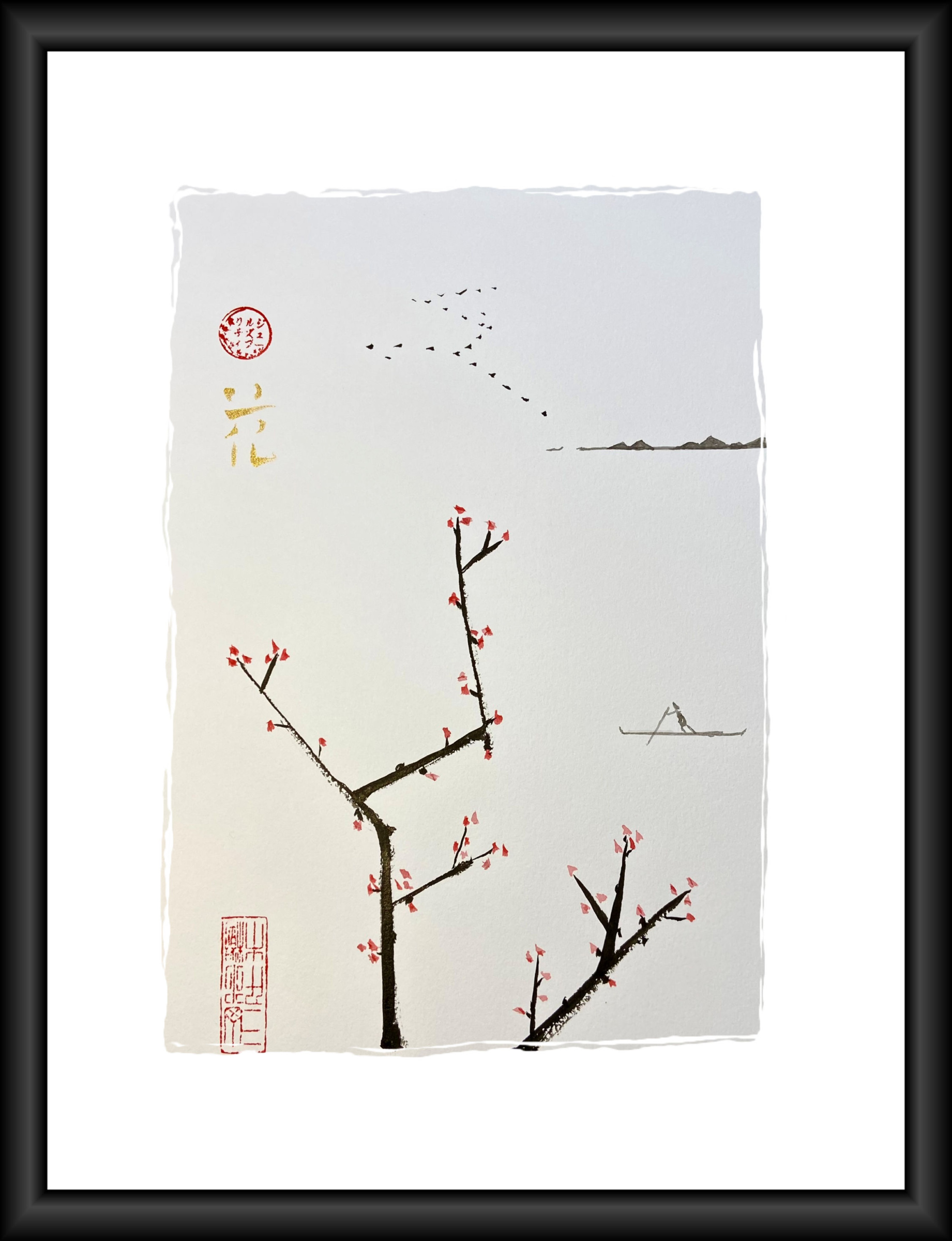
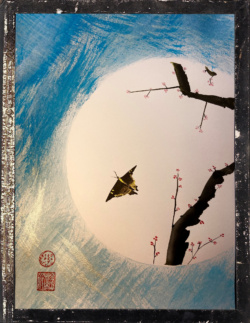
Plum blossom in late winter (2024)
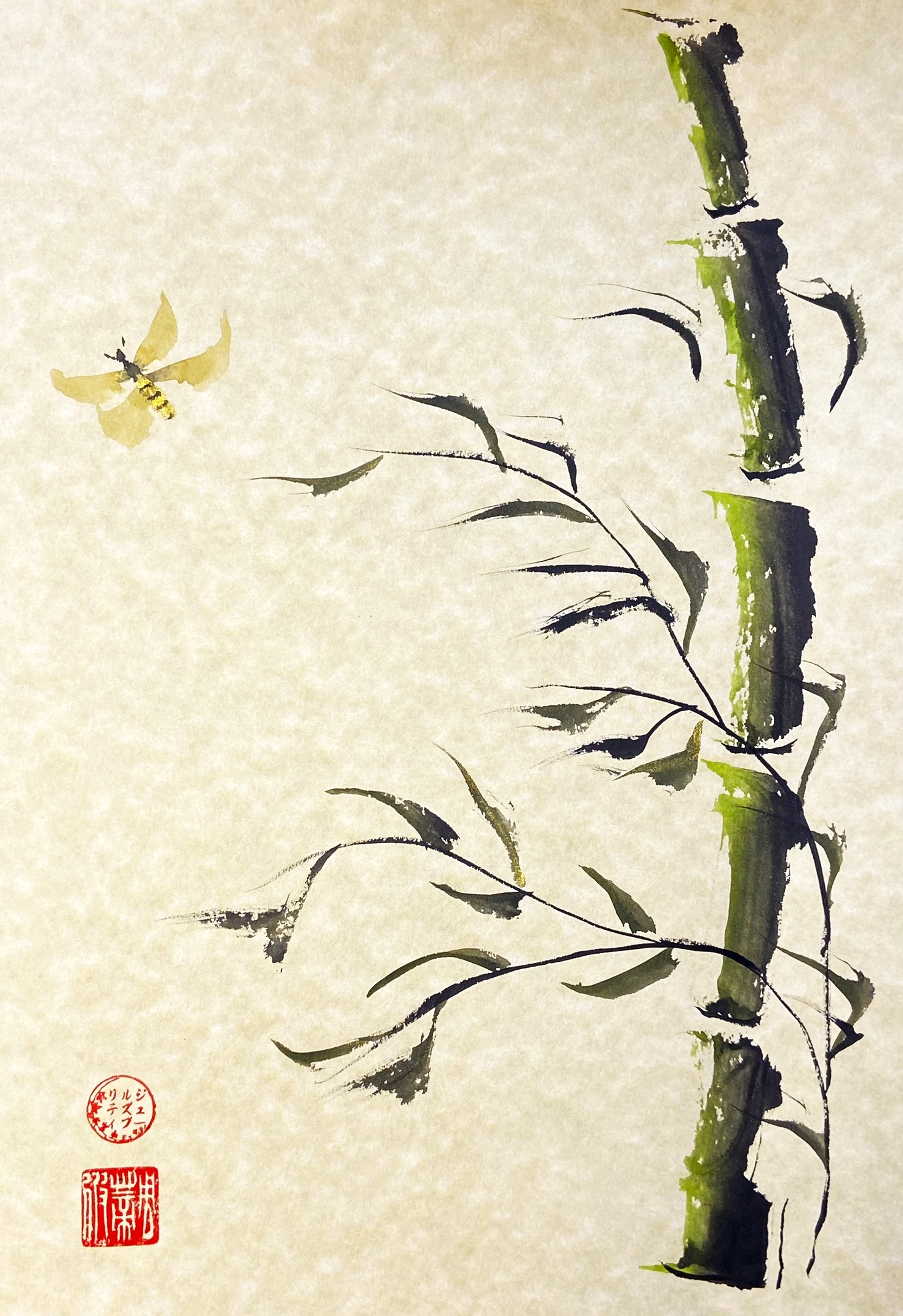
Bamboo and bee (2024)
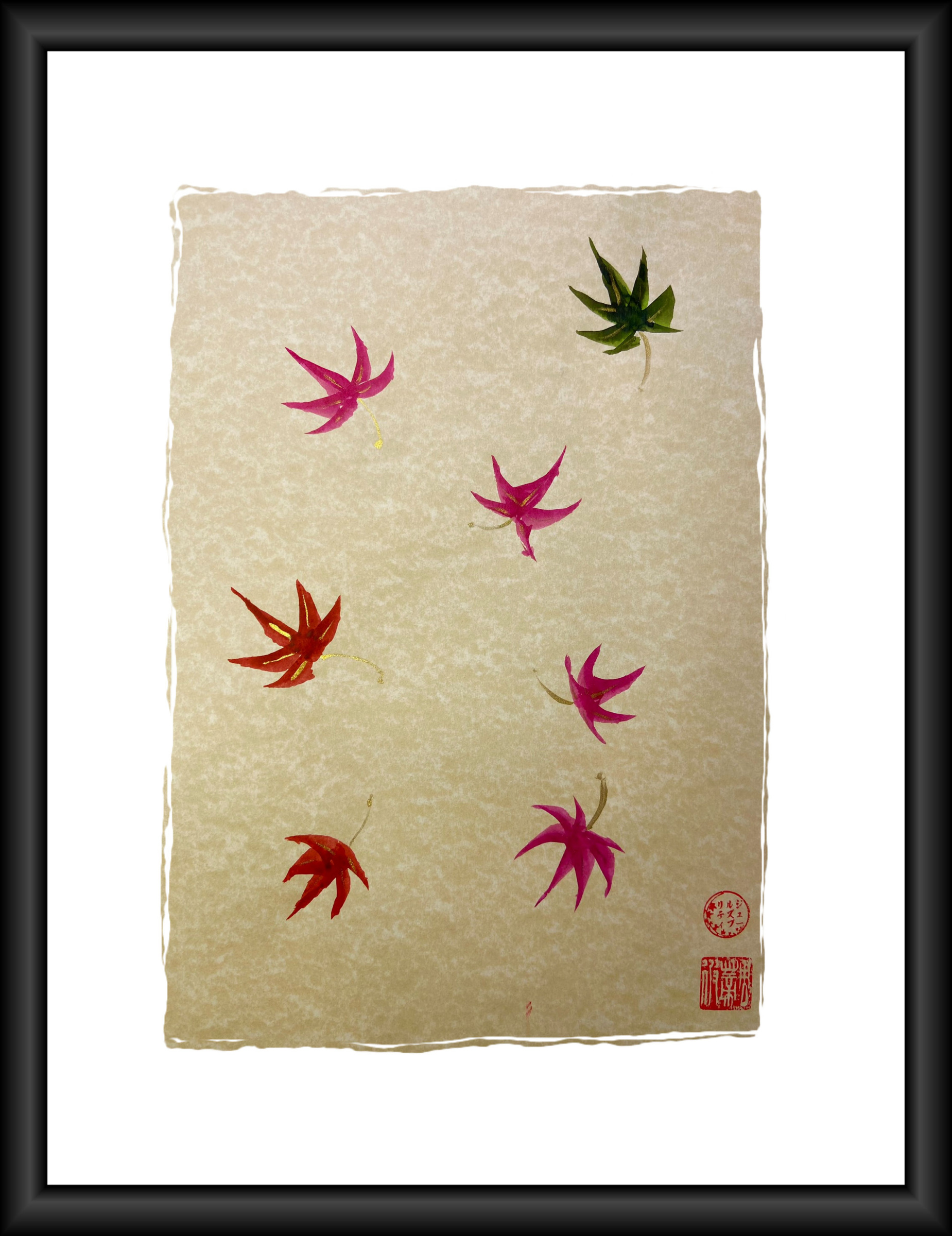
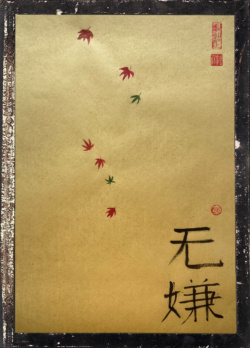
Maple leaves in autumn (2024)
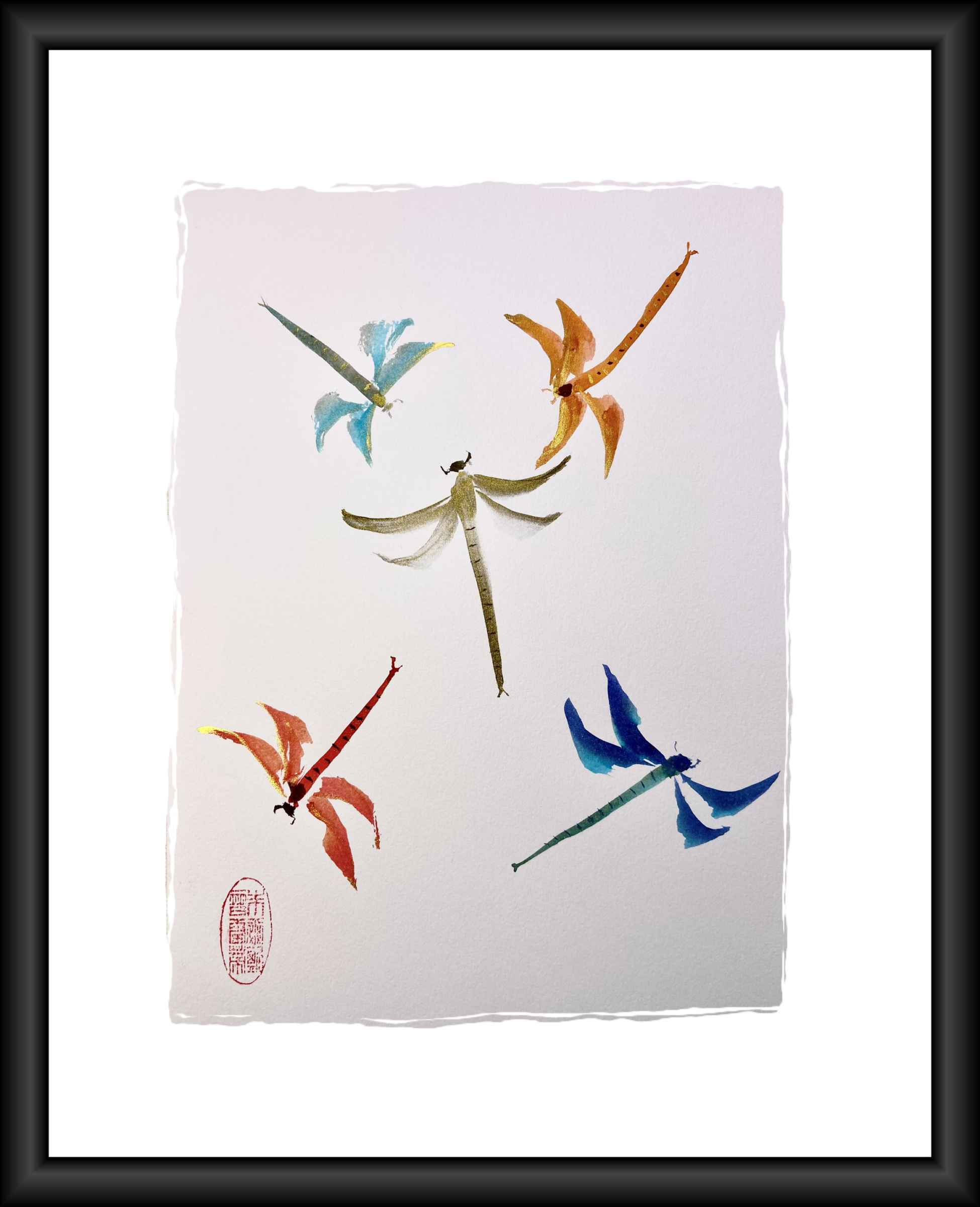
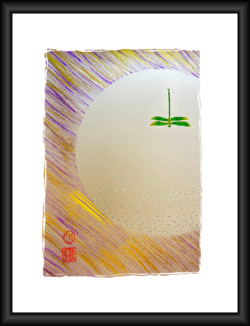
Dragonflies over the fen (2024)
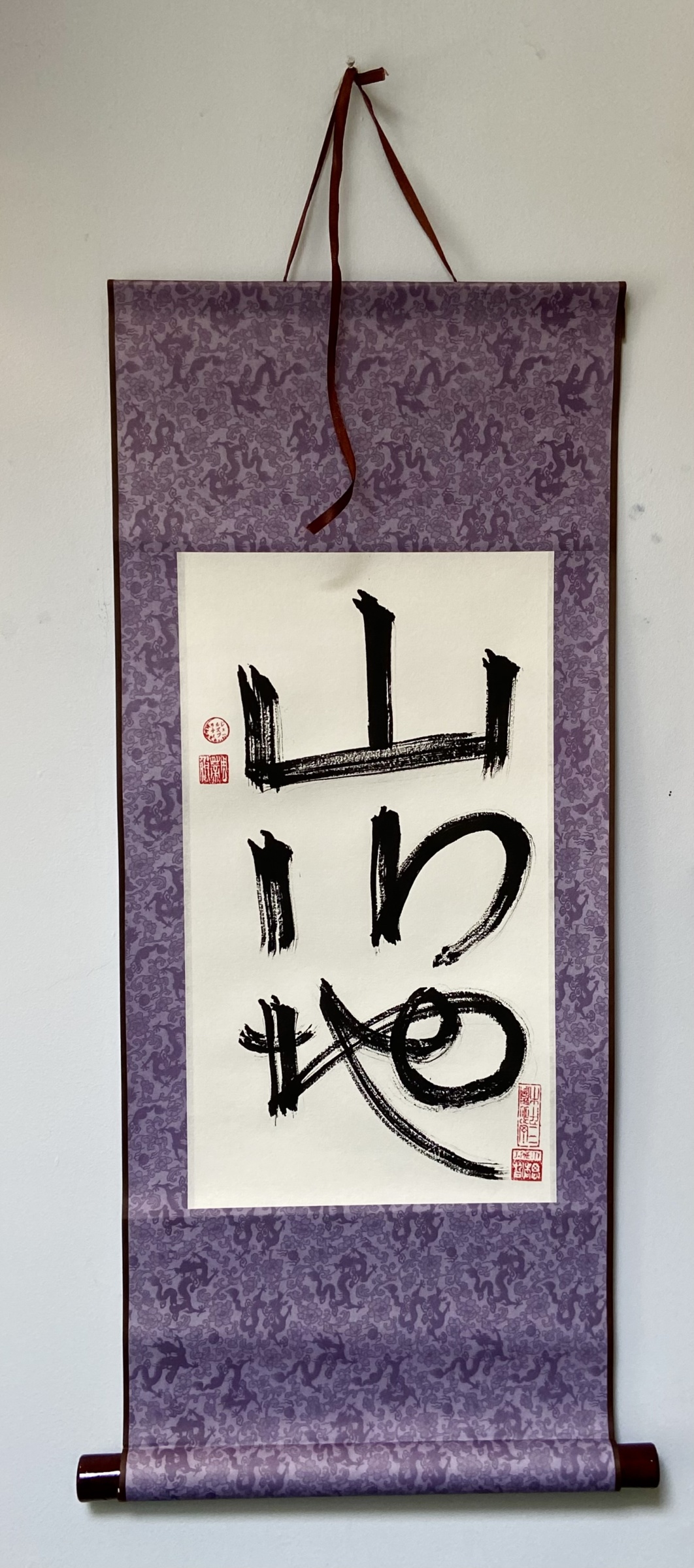
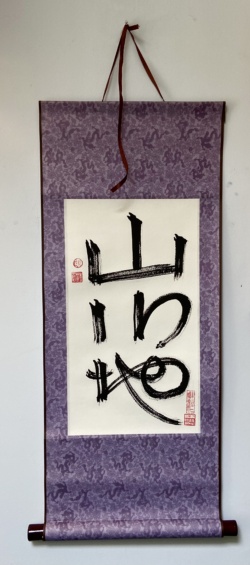
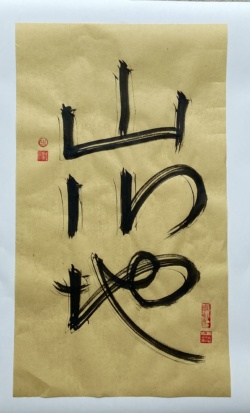
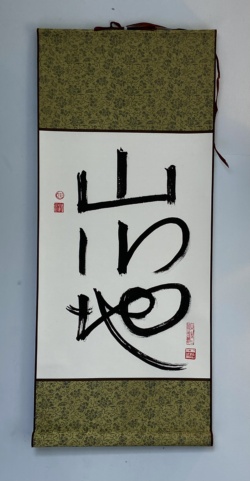
San Sen Chi: Mountain River Earth/Nature (2024)
Kanji in part Sosho style on scroll
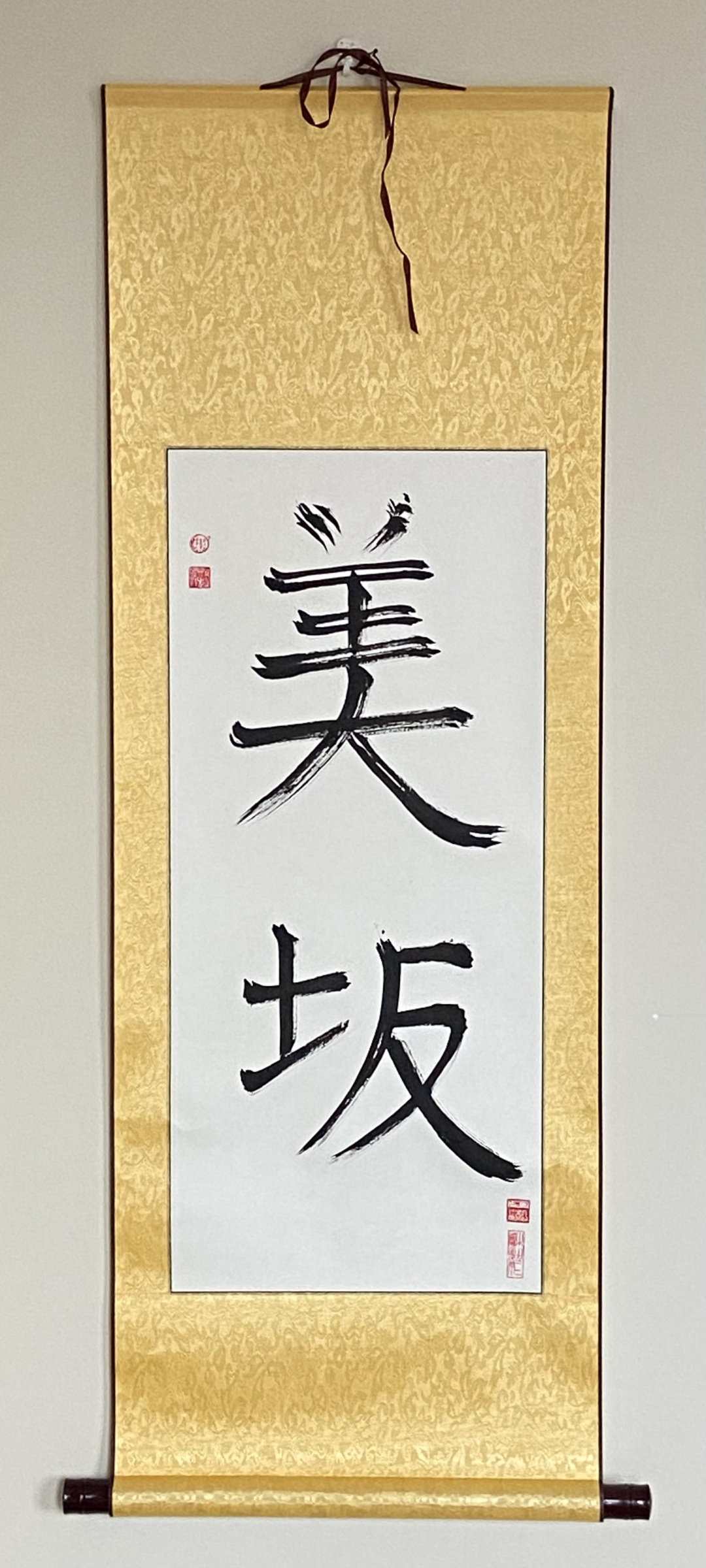
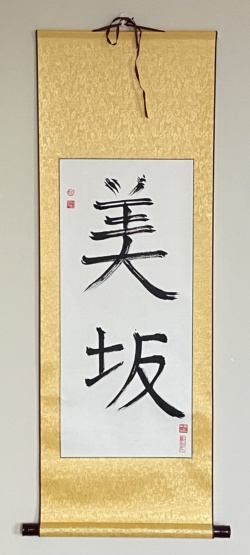
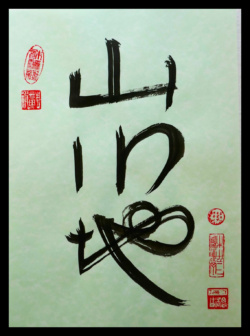
Bi Saka: Lovely are the Slopes (2024)
Kanji on silk scroll
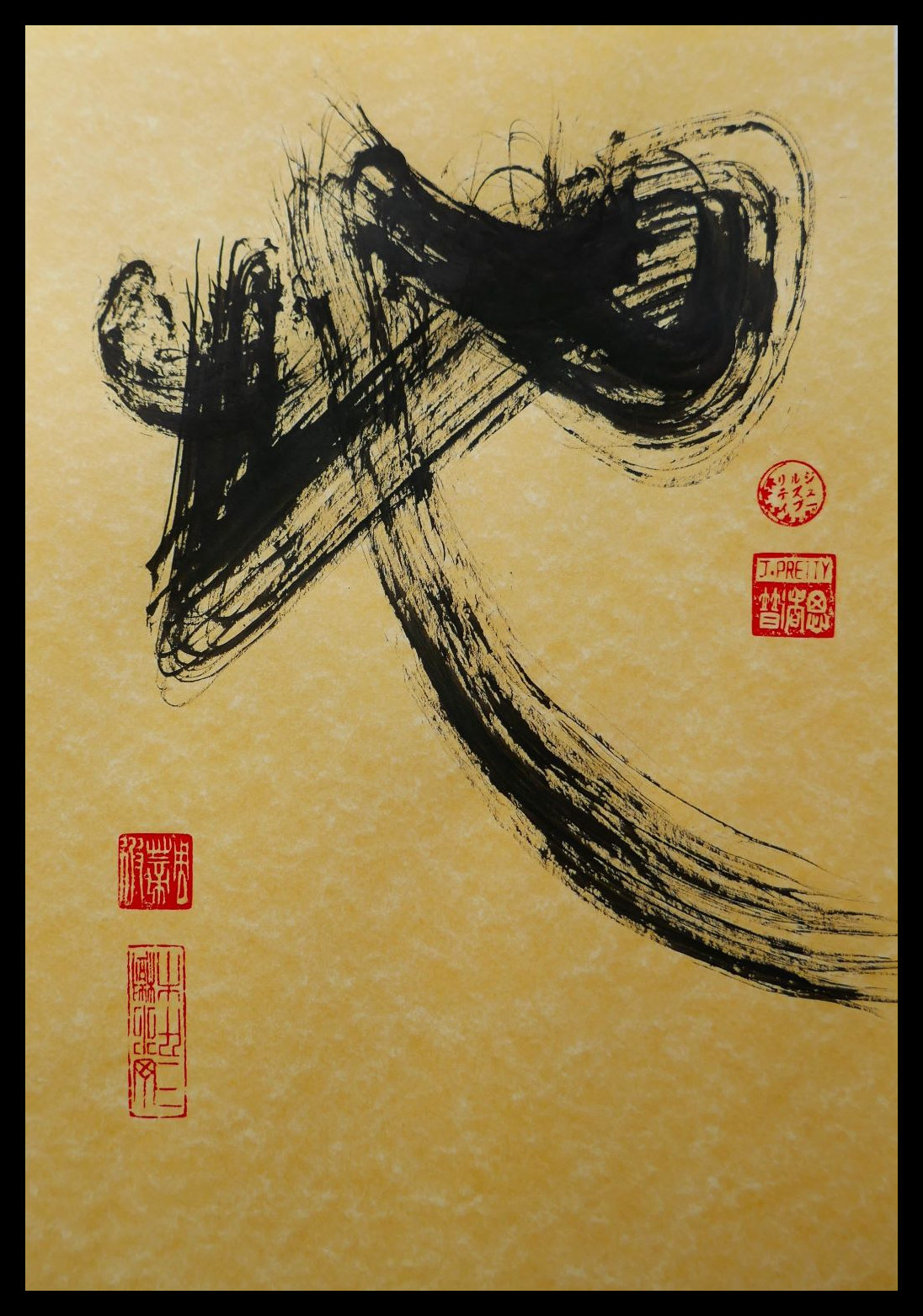
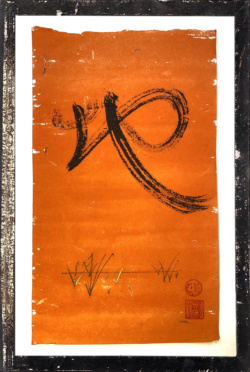
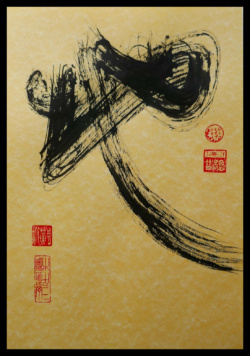
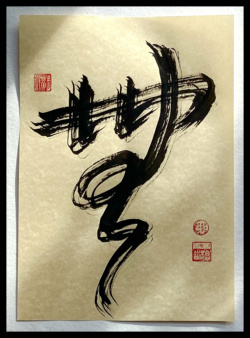
Chi: Earth (2024)
Kanji in Sosho style, dry brush
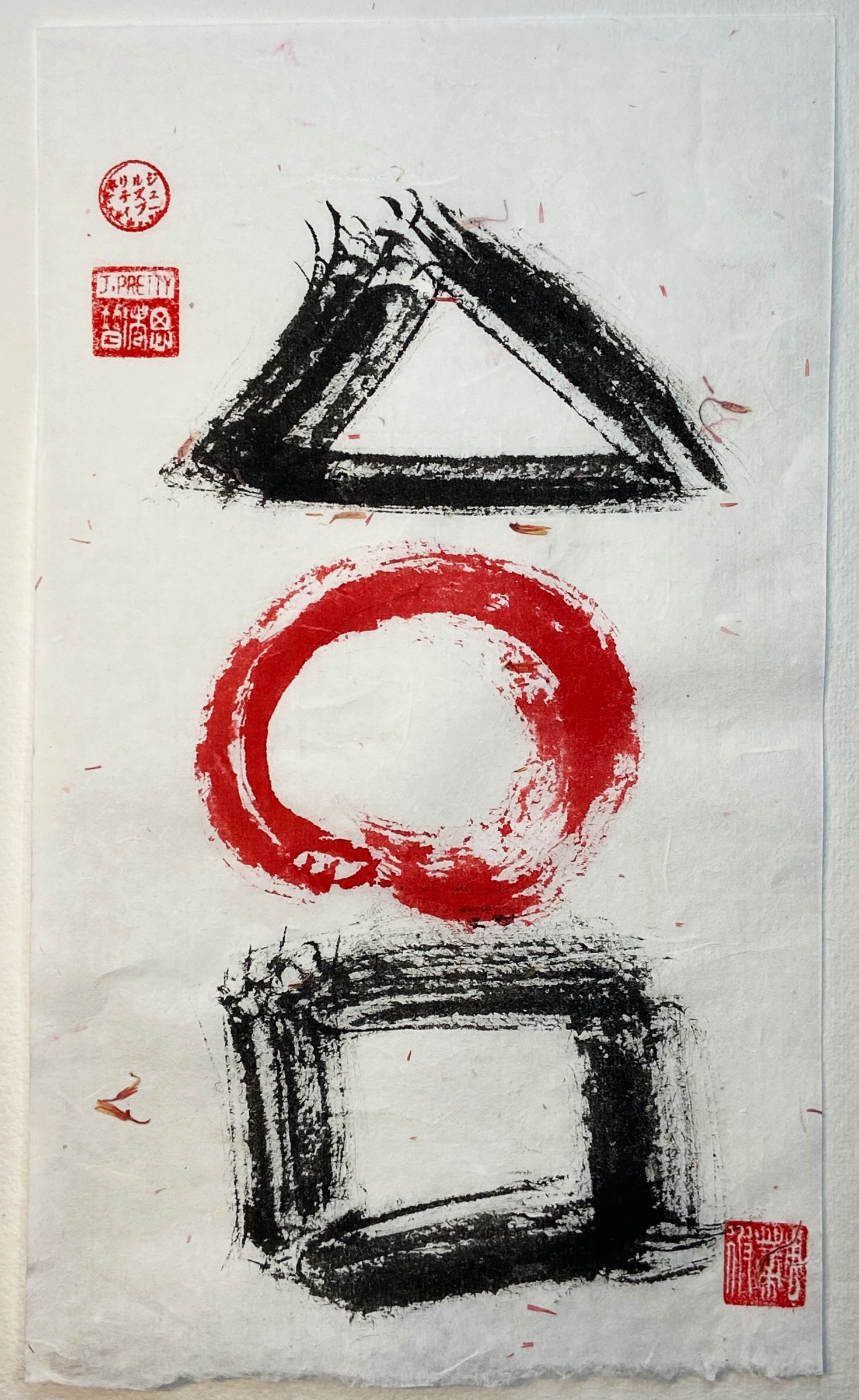
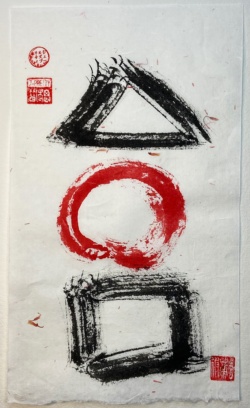
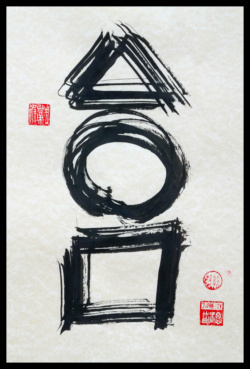
Enso Shin: Body, Mind, Earth (2024)
Kanji in Kaisho style, black and red ink, on handmade paper with flower petals embedded
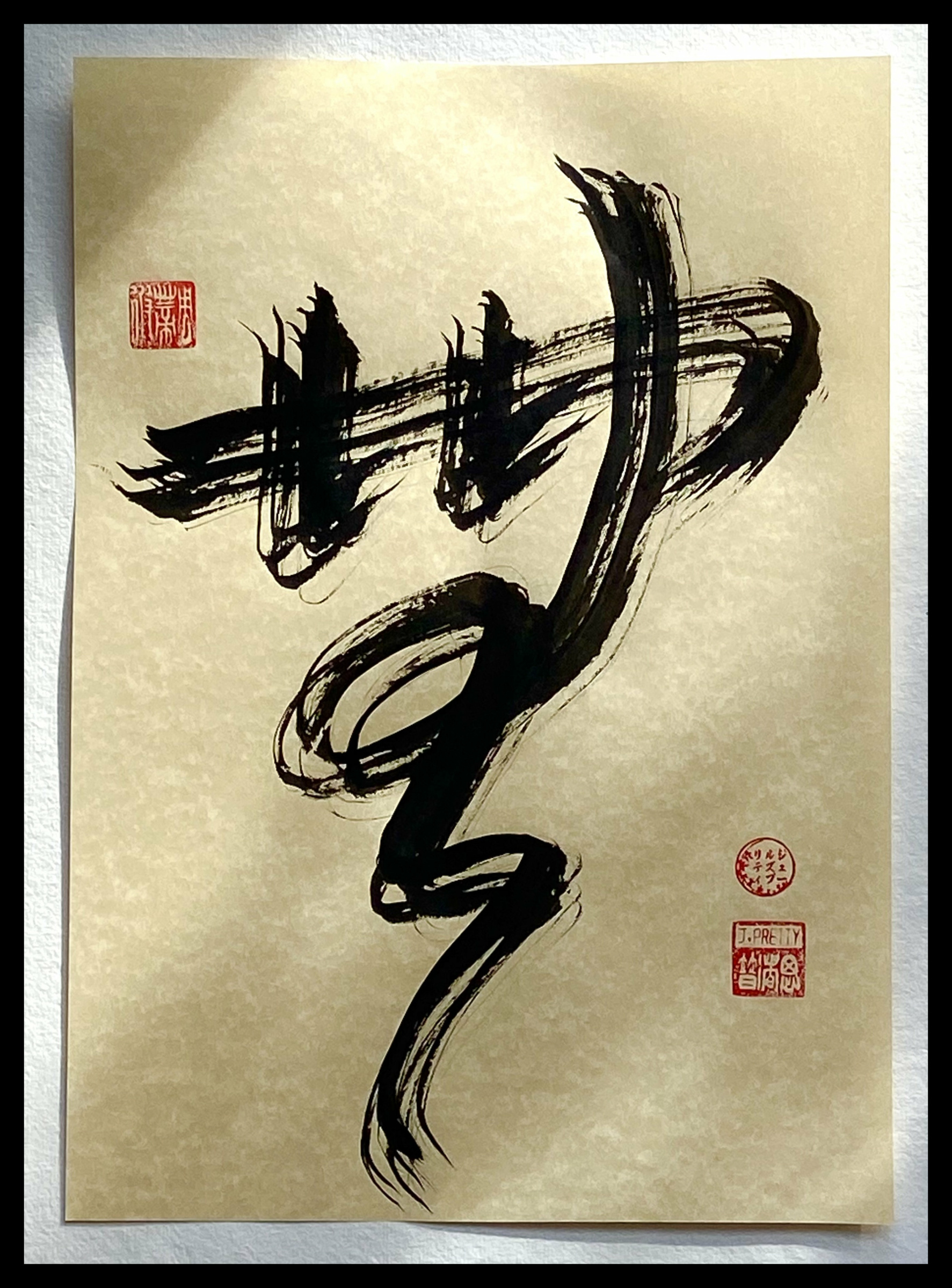
Mu: Emptiness (calm), Vastness, No (things) (2024)
Kanji in Sosho style, dry brush
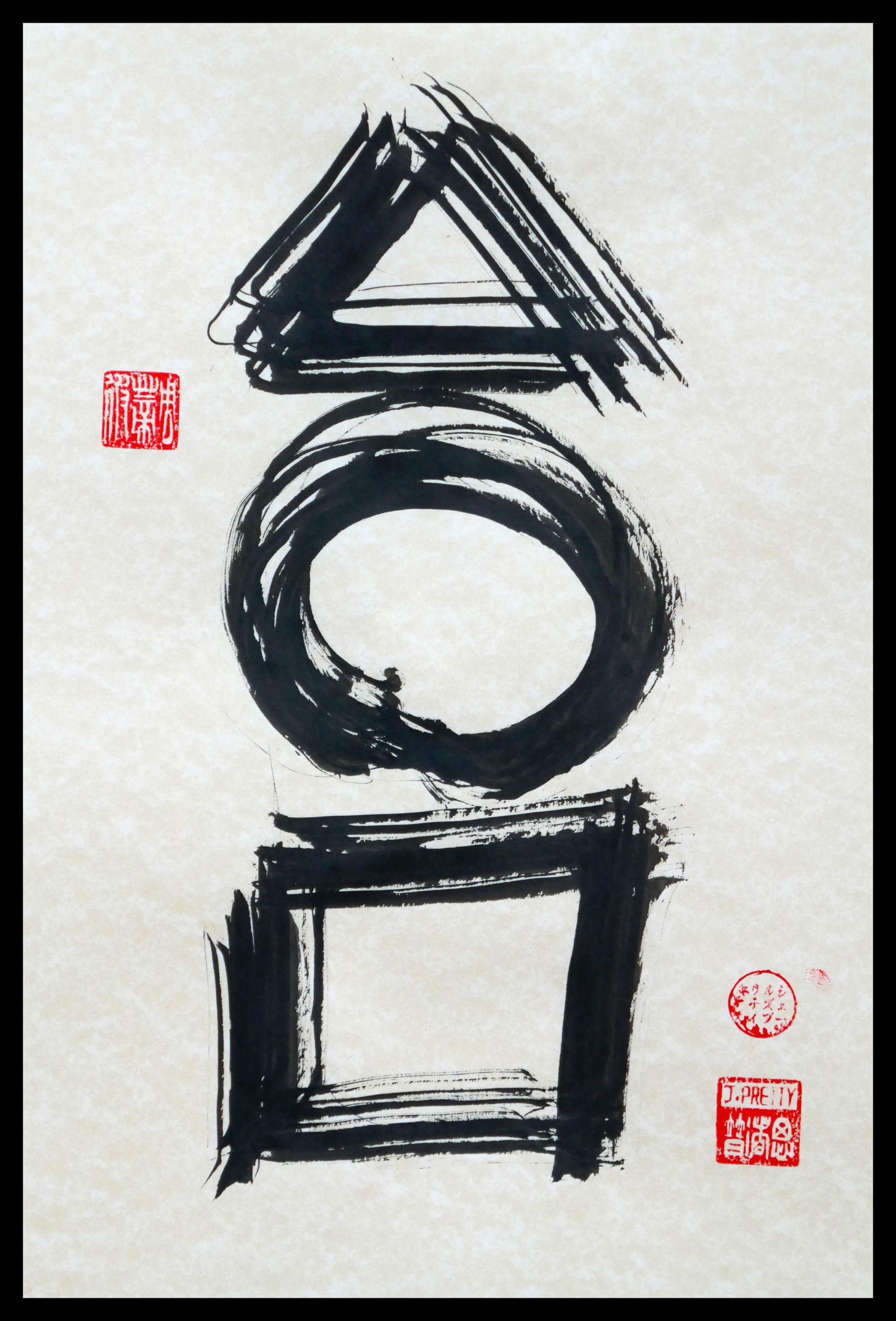
Enso Shin: Body, Mind, Earth (2024)
Kanji in Kaisho style
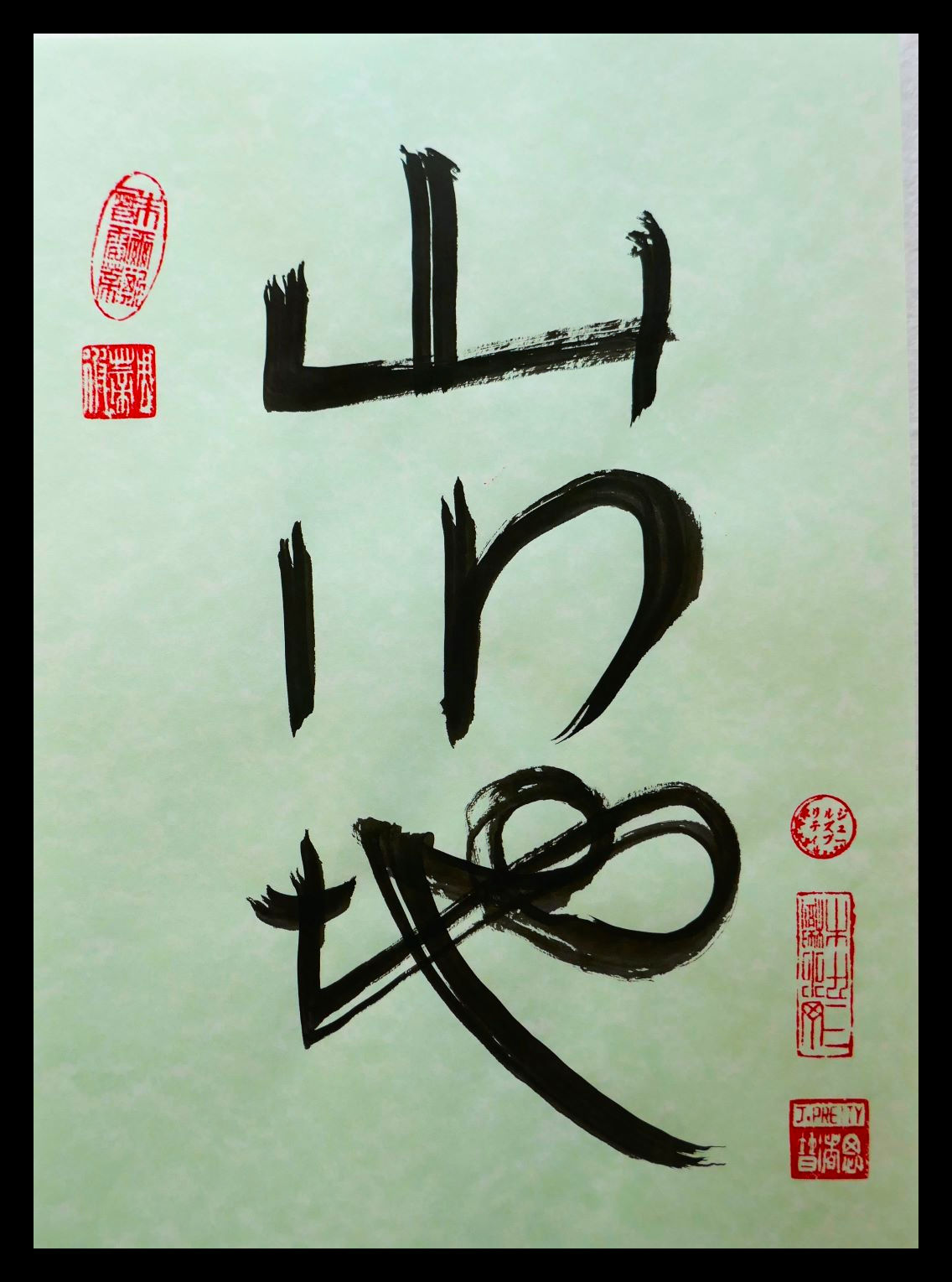
San Sen Chi: Mountain, River, Earth (2024)
Kanji in Sosho style
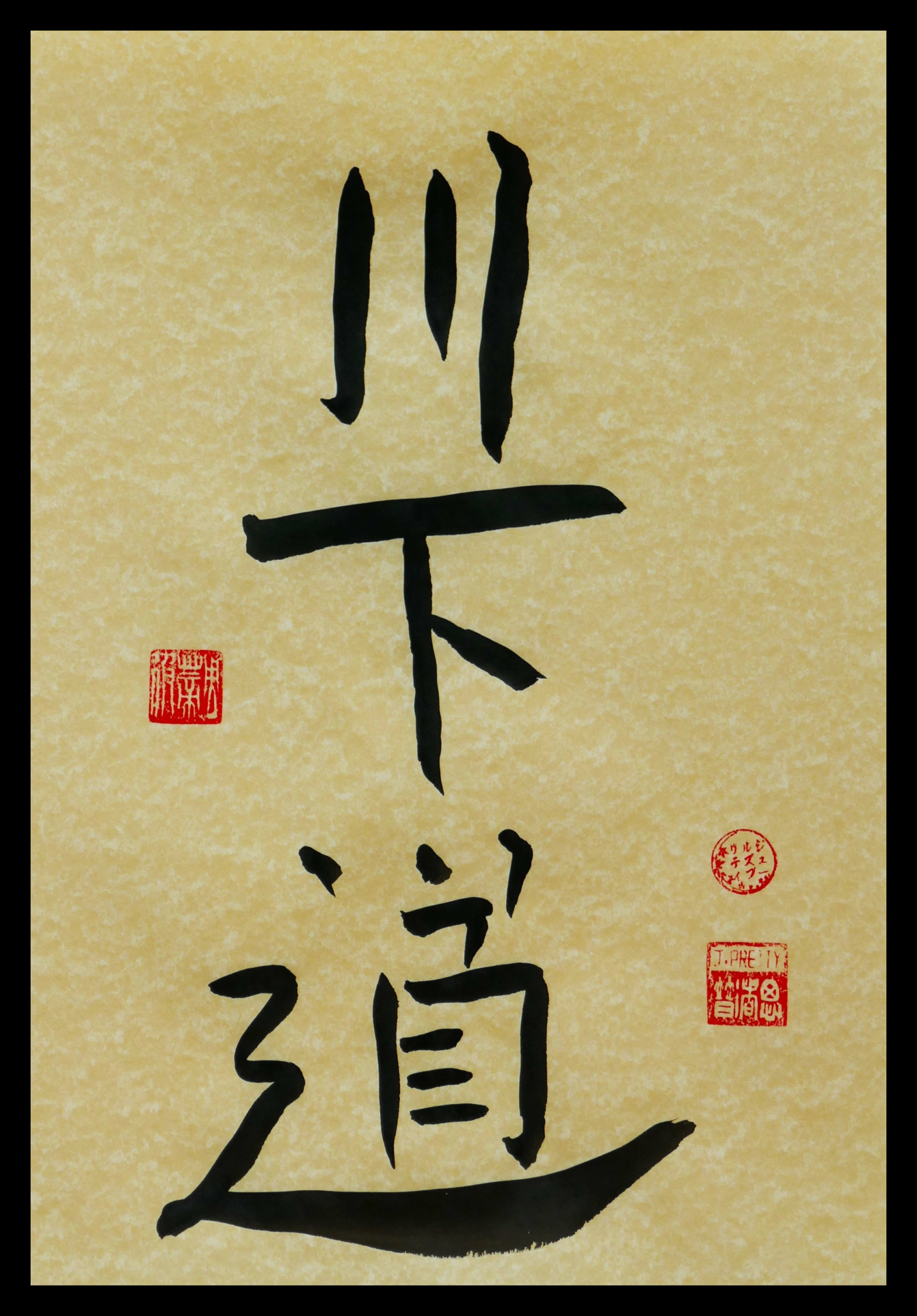
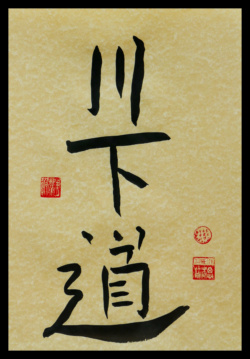
Sen Ka Do: The River Under the Way (2024).
Kanji in Kaisho style
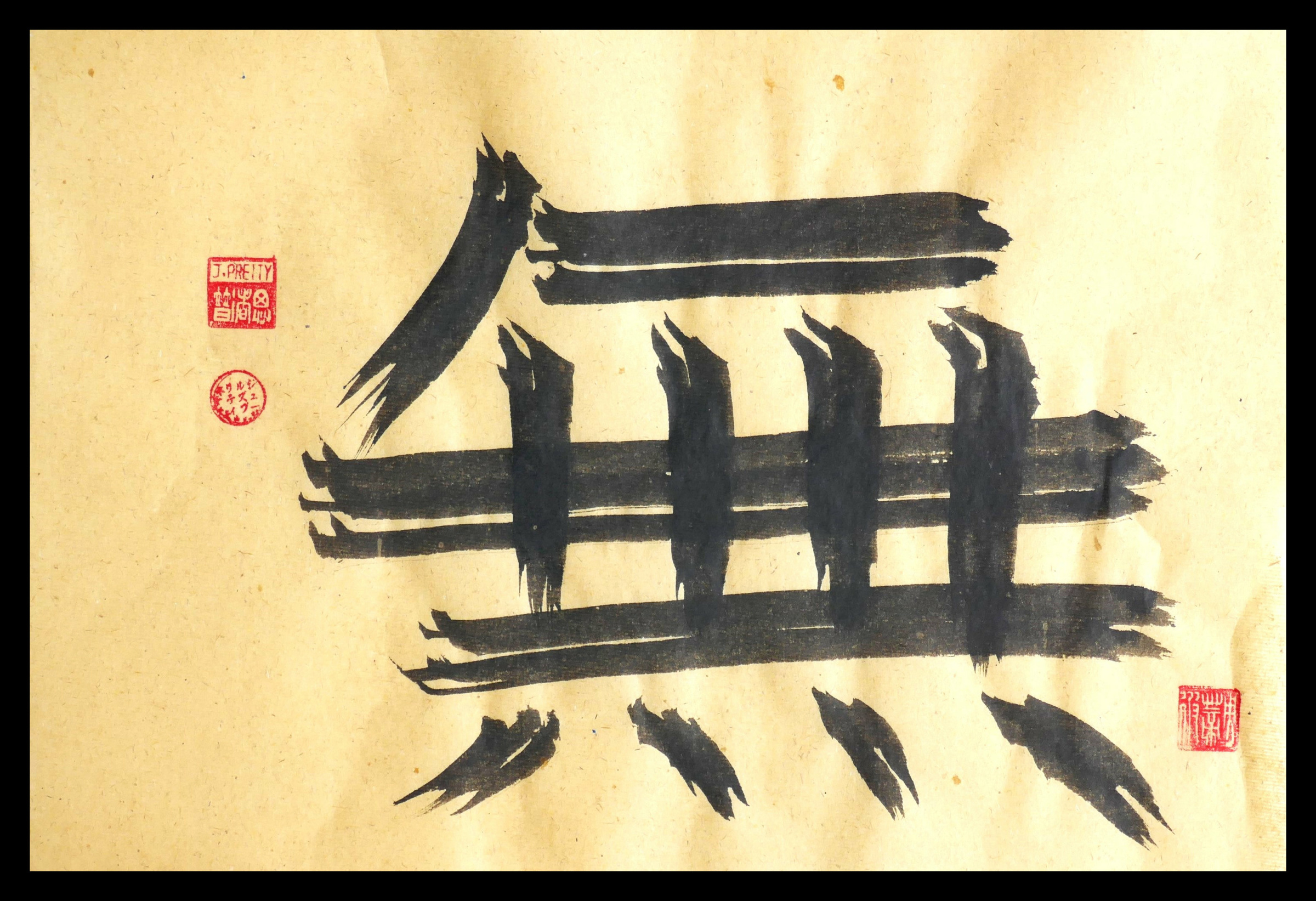
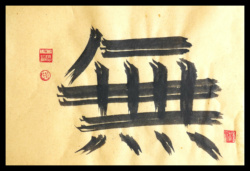
Mu: Emptiness (calm), Vastness, No (things) (2024)
Kanji in Kaisho style, dry brush
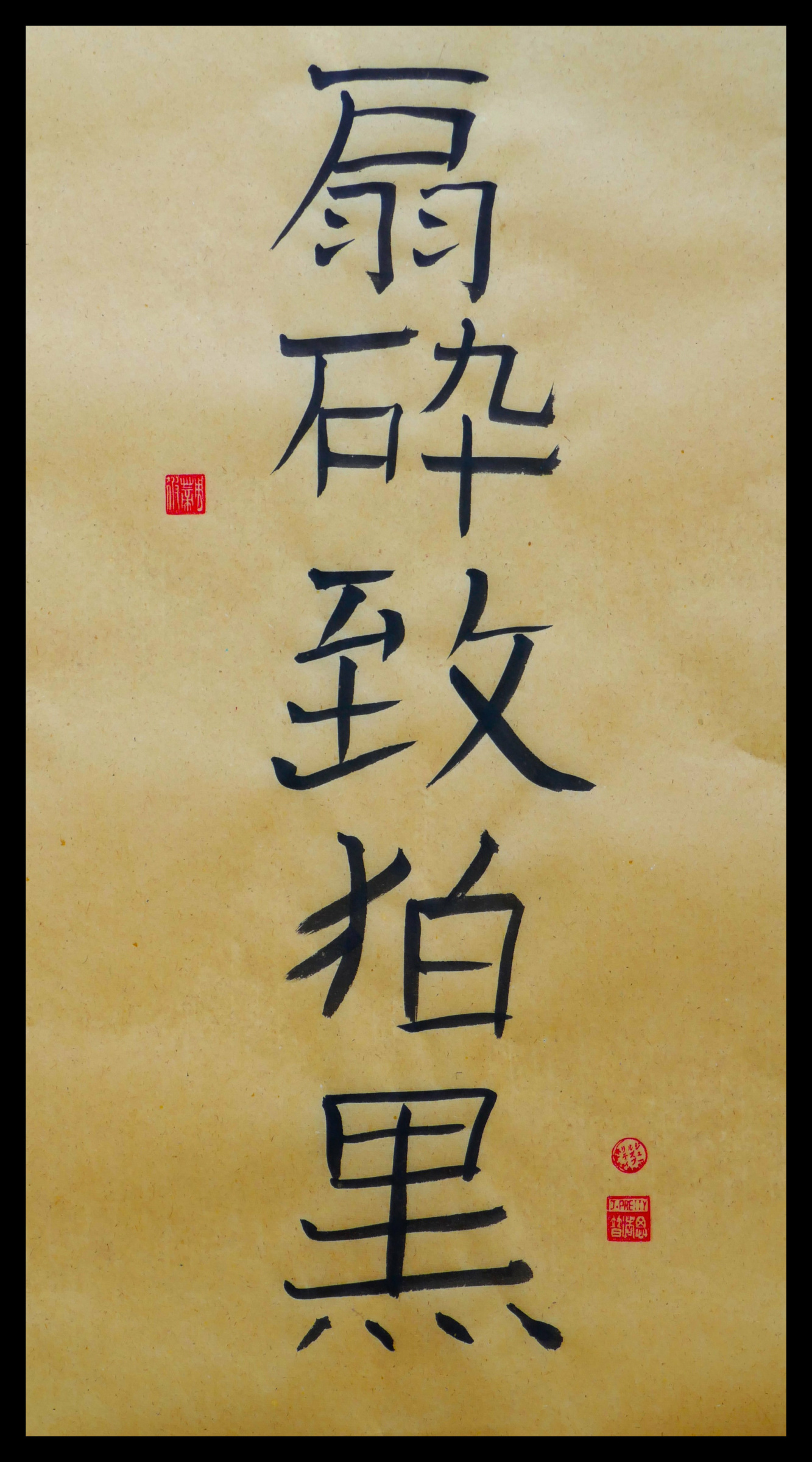
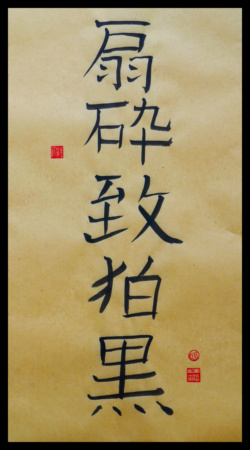
Sen Kudakeru Chi Koku Haru: The Fan is Broken, Bring Me the Black Hound (2024)
Kanji in Kaisho style, original koan is “The Fan is Broken, Bring Me the Rhinoceros”, referring to something inconceivable. This is used to illustrate The Climate Chronicles 008.
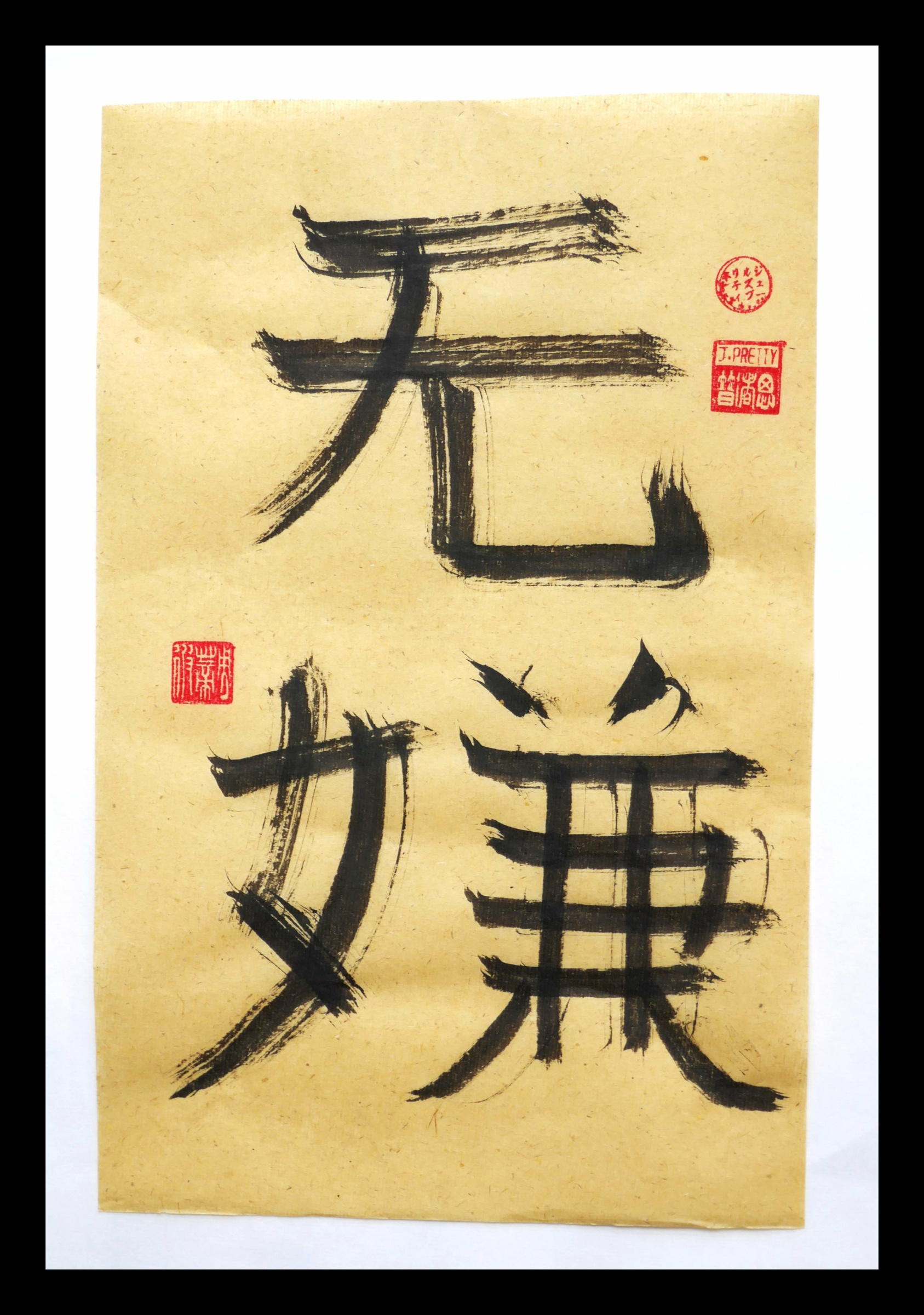
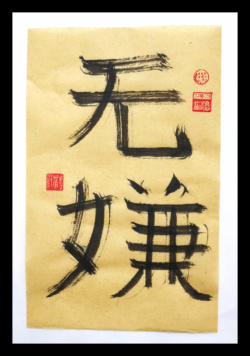
Bu Ken: There is Nothing I Dislike
Kanji in Kaisho style. Illustrates The Fisher Foxes in The Climate Chronicles series #005
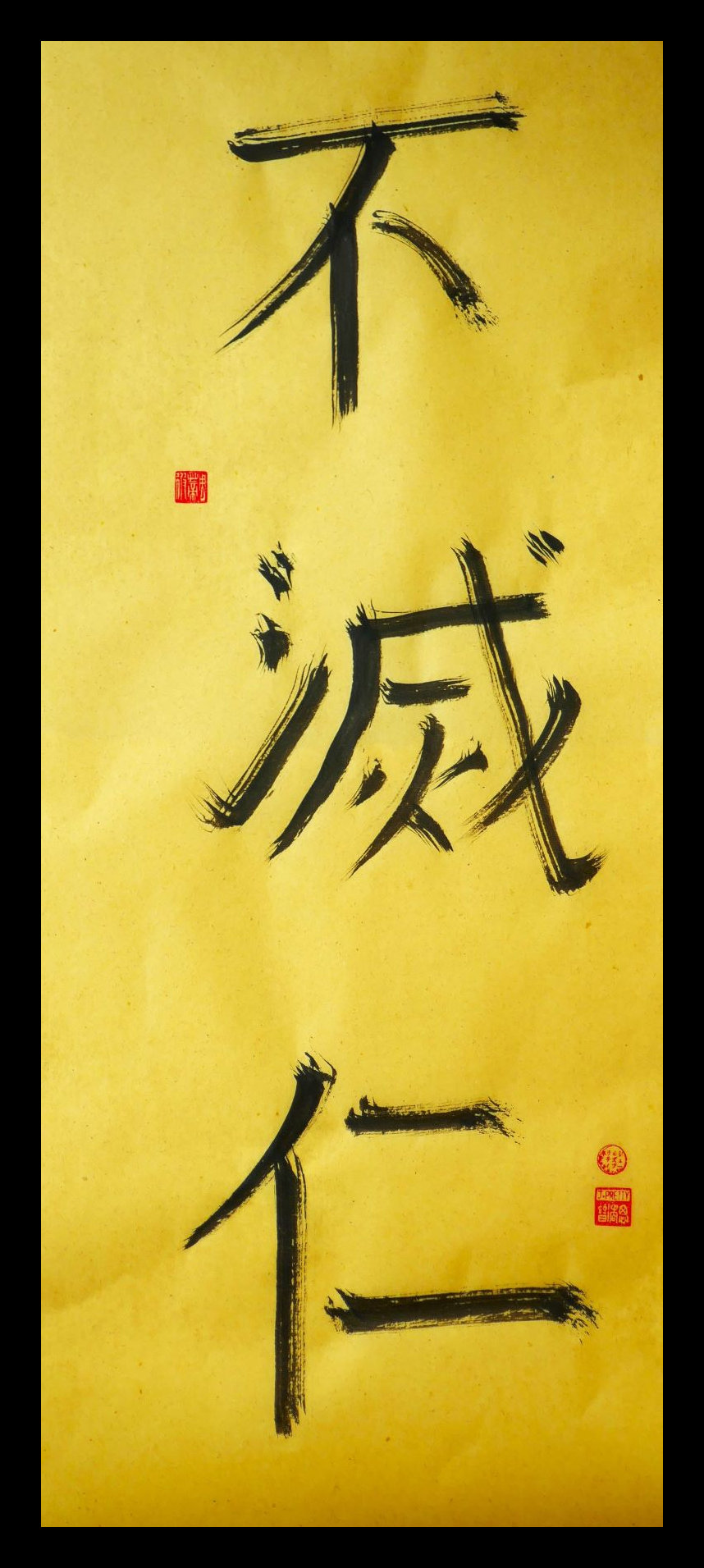
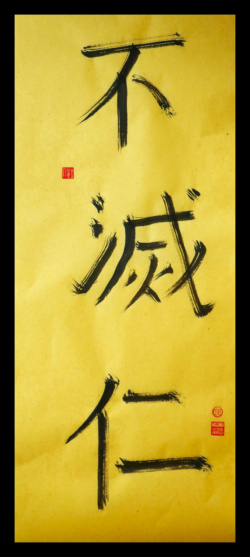
Fu Metsu Jin Ni: Immortal Kindness (2024)
Kanji in Kaiso style
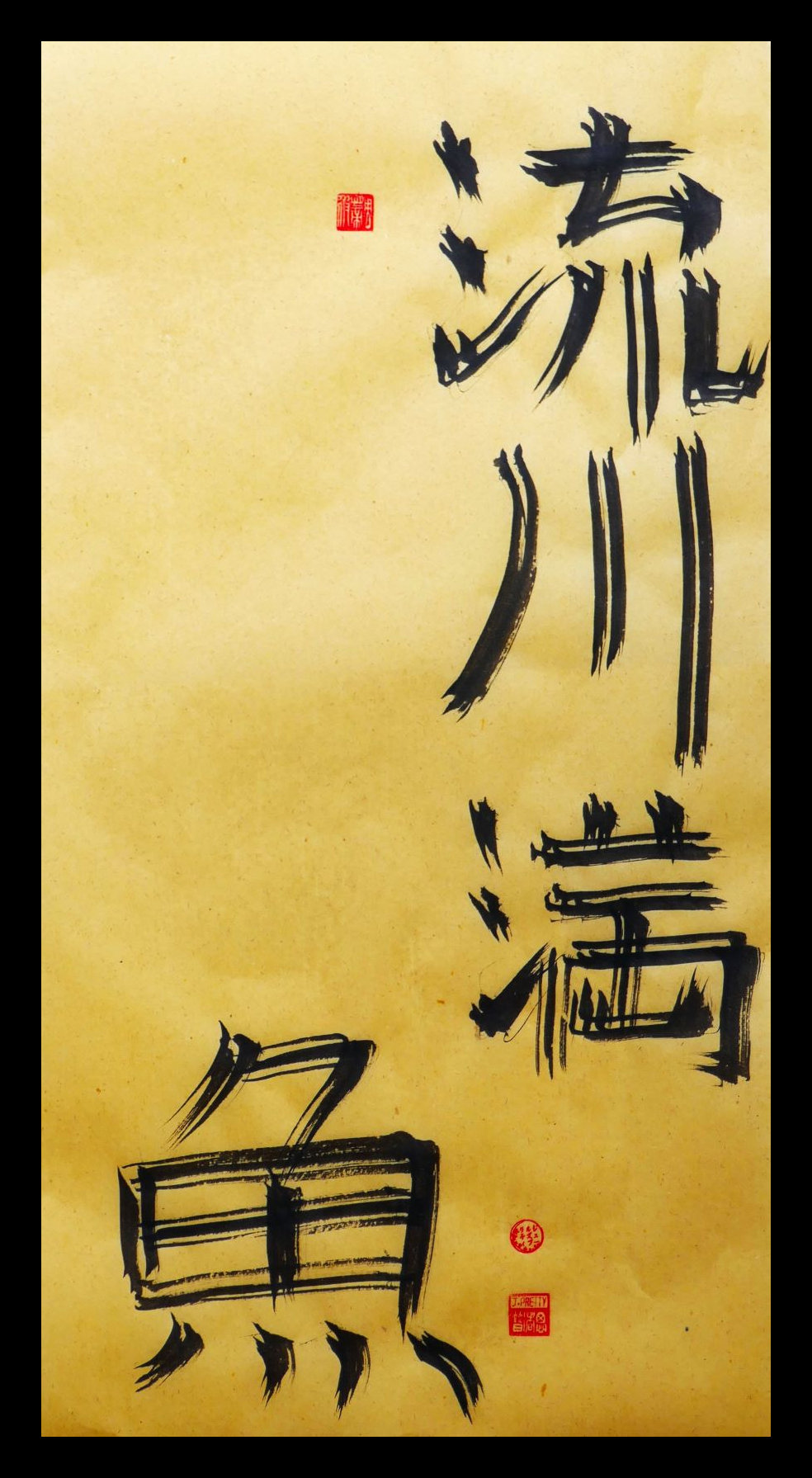
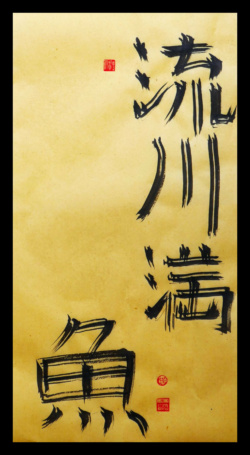
Ru Sen, Man Gyo: Running Waters Full of Fish (2024)
Kanji in Kaisho style, the koan referring to pristine rivers full of salmon and other fish
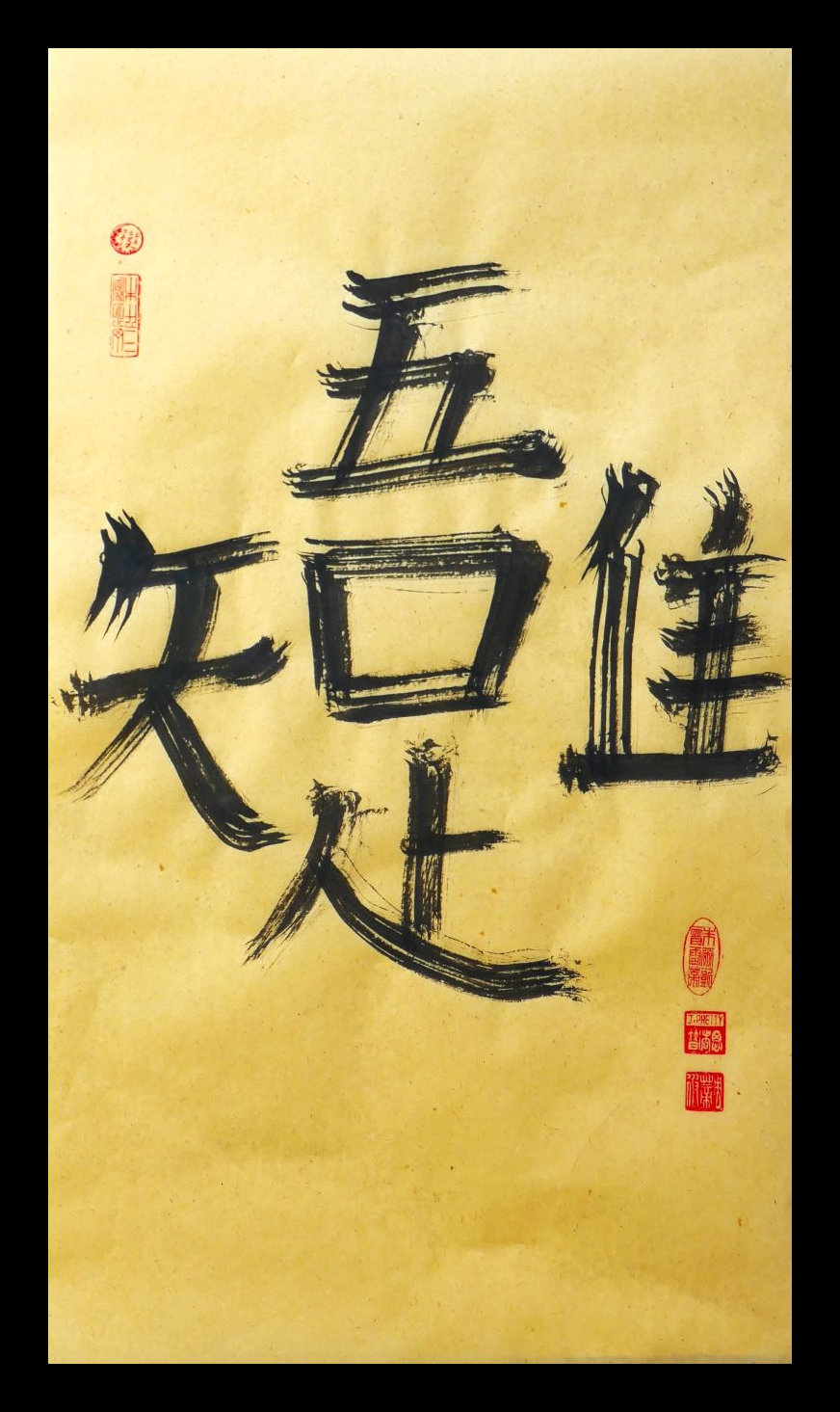
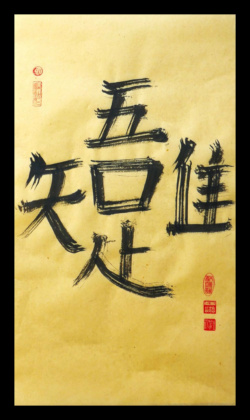
Ryoan-ji Enoughness (2024)
The four kanji at the dry-garden Temple of Ryoan-ji in Kyoto, located at the tsubaki water fountain behind the main hall. The square in the middle is part of all four kanji – and the overall meaning is “I Am Content with Enough” – or “Enoughness”.
Tao Te Ching (ch 33):
“The best things in life
Are not things.”
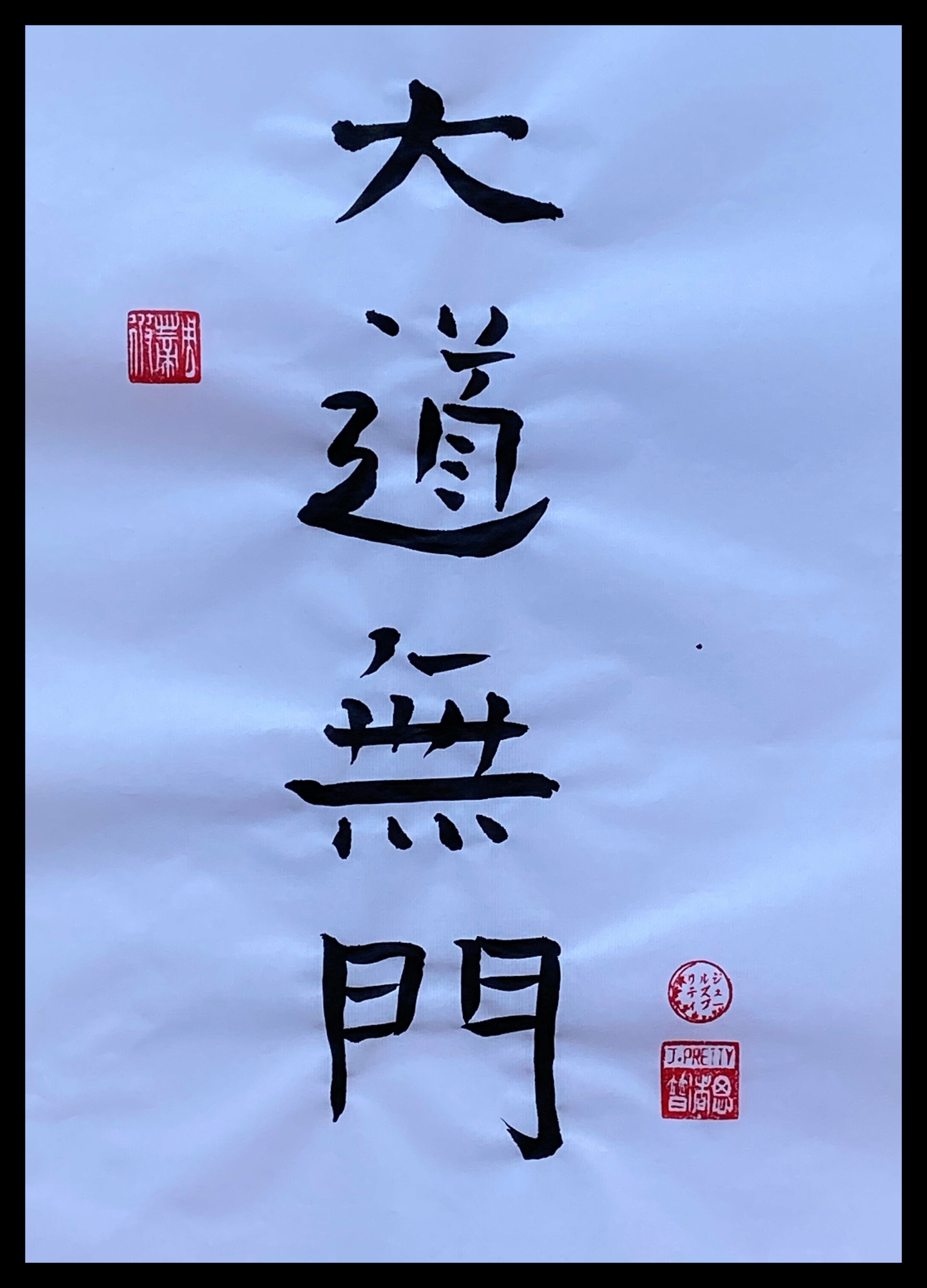
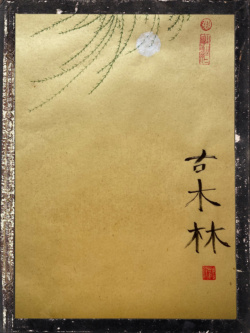
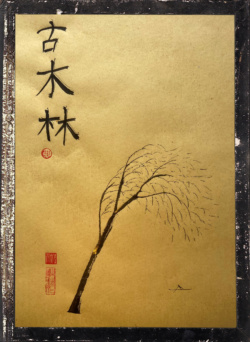
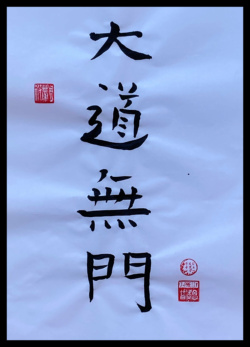
Dai Do Mu Mon: Ancient Way No Gate (2023)
Kanji in Kaisho style; there is an old way that can be found by everyone, and there is no gate preventing embarking on the journey
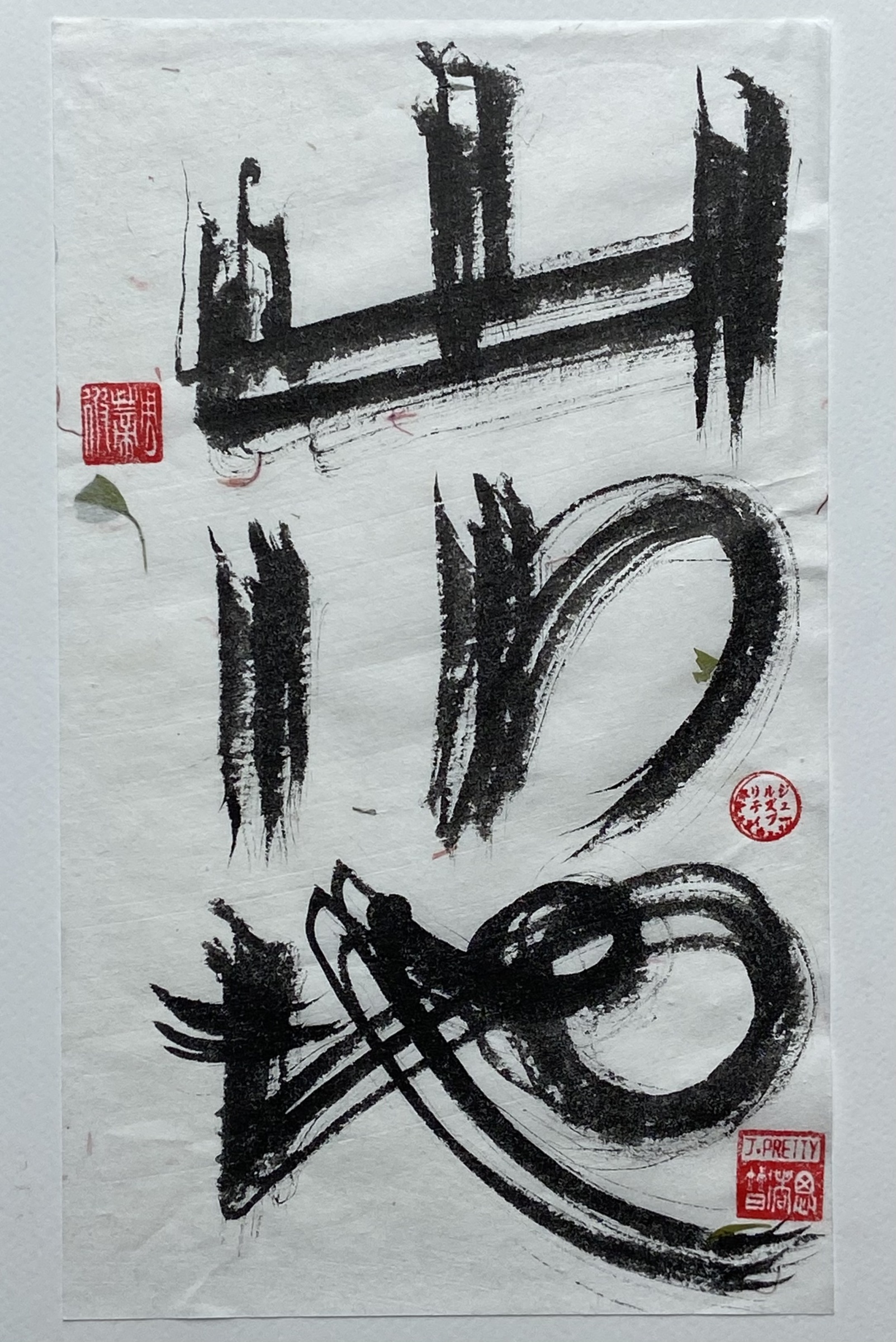
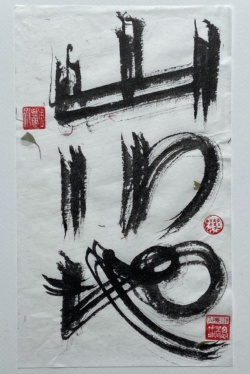
San Sen Chi: Mountain River Earth/Nature (2024)
Kanji in part Sosho style on handmade paper with flowers and leaves
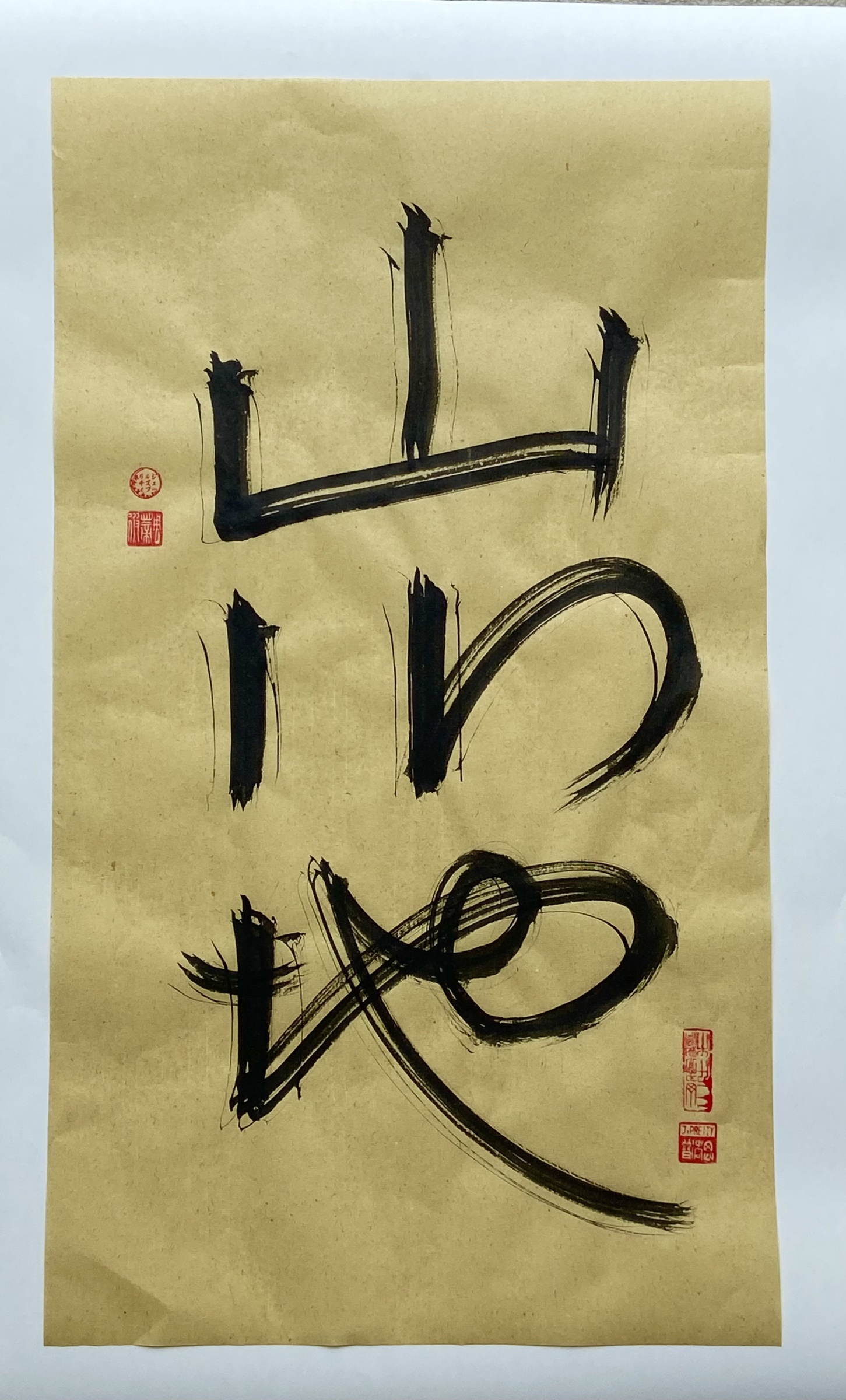
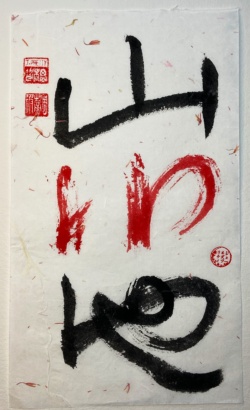
San Sen Chi: Mountain River Earth/Nature (2024)
Kanji in part Sosho style
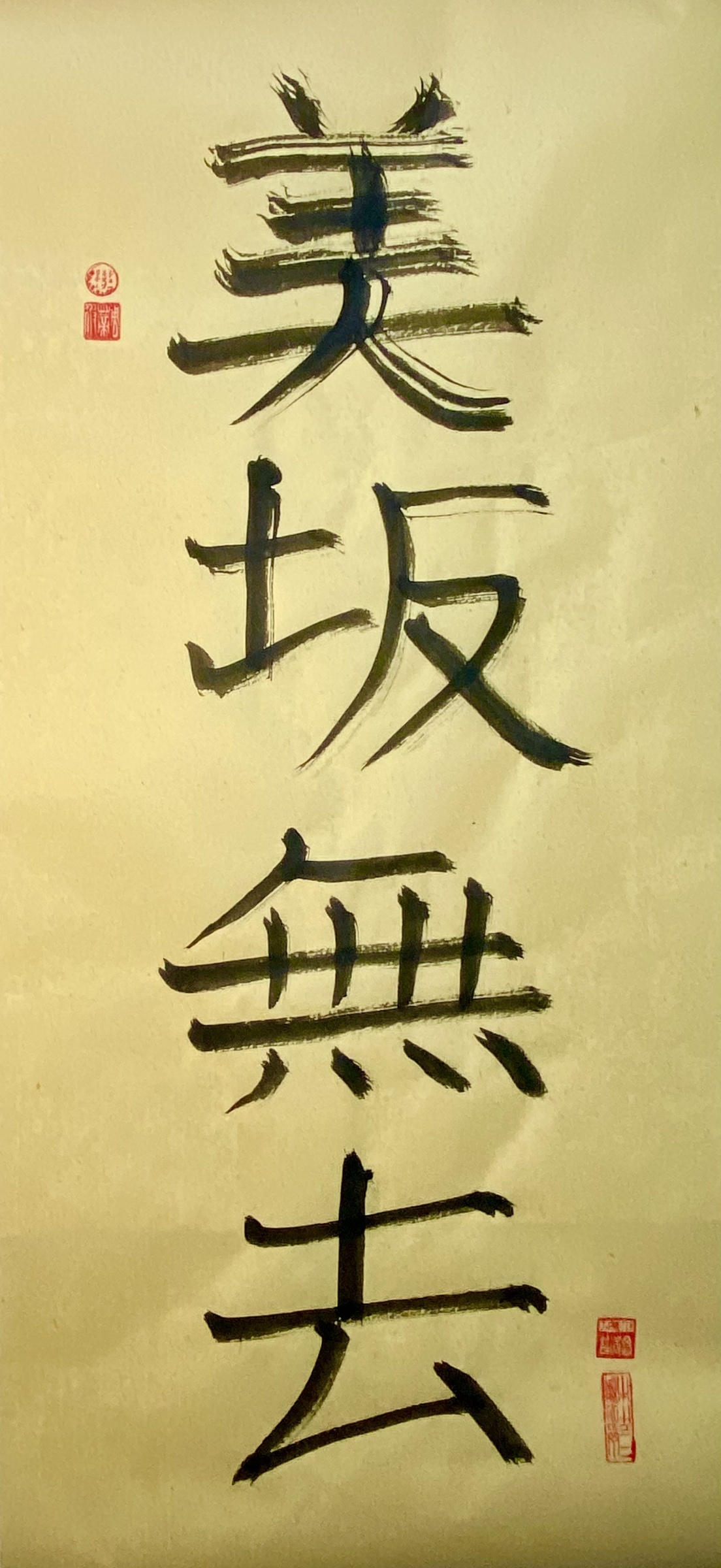
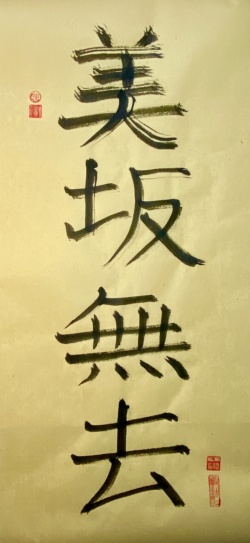
Bi Saka Mu Kyo: Lovely is the Slope, I will not leave
Kanji in Kaisho style (a famed line from Gunnar in Njal’s Saga, approx 1000 CE, Iceland)
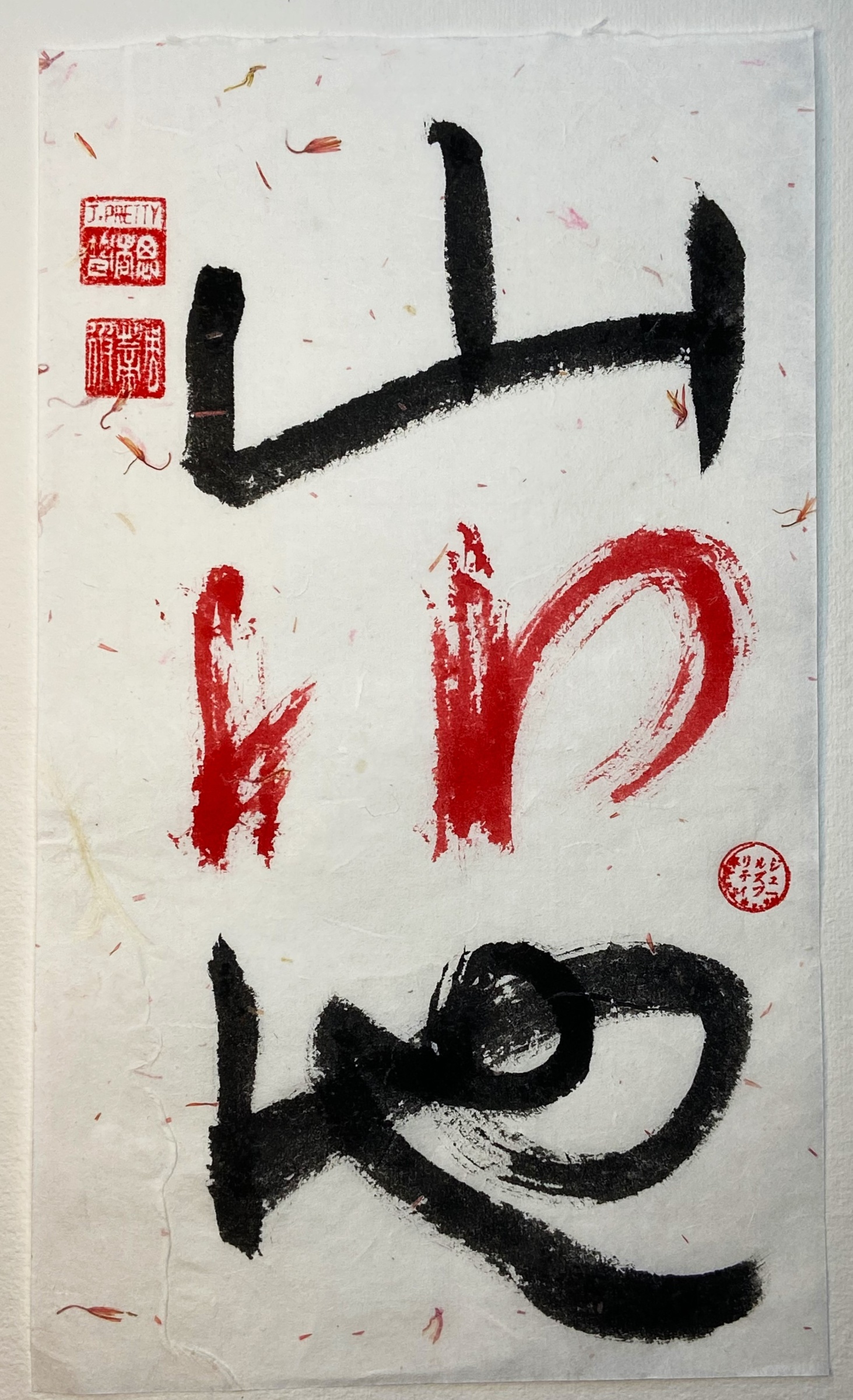
San Sen Chi: Mountain River Earth/Nature (2024)
Kanji in part Sosho style
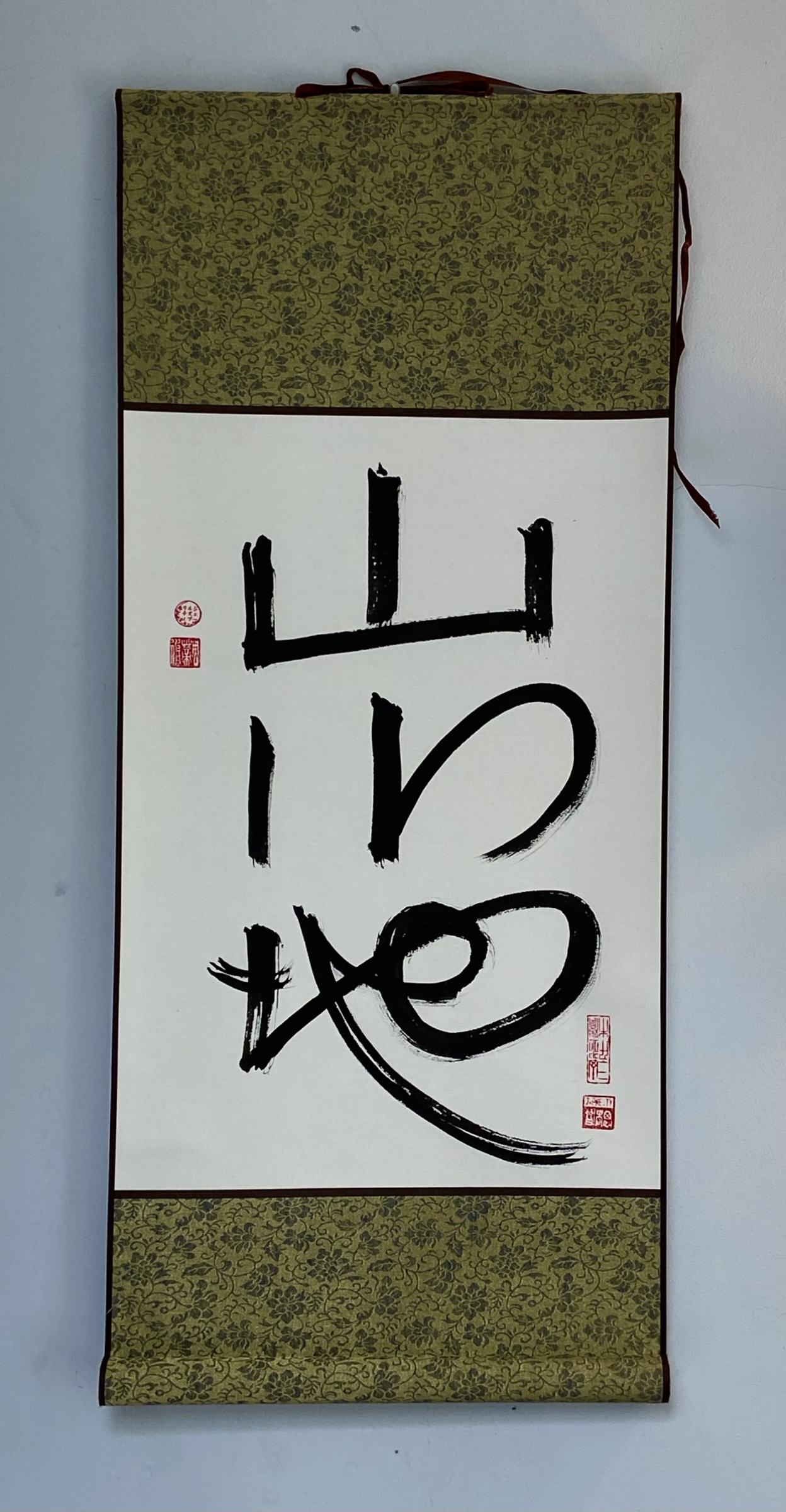
San Sen Chi: Mountain River Earth/Nature (2024)
Kanji in part Sosho style, on silk scroll